

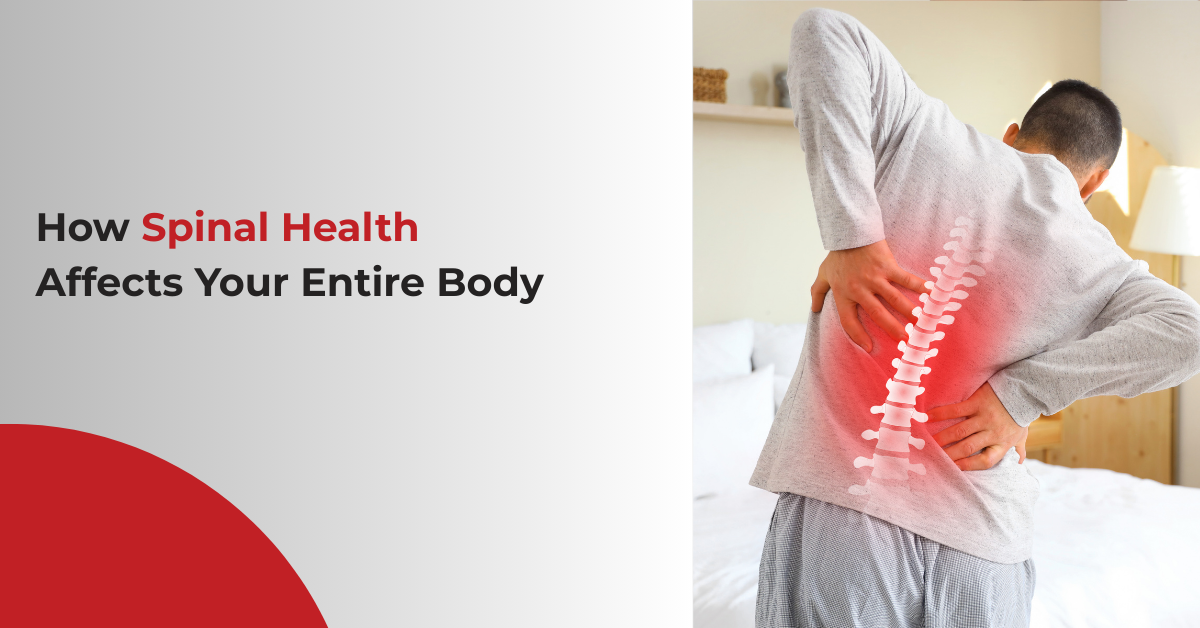
Spinal health plays a far greater role in overall wellbeing than many people realise. While back or neck pain is often the most obvious sign of a spinal issue, problems in the spine can influence how the entire body moves, functions, and feels.
At Next Phase Injury Therapy, our physiotherapists, chiropractors, and Pilates practitioners regularly see patients experiencing pain or movement limitations that stem from underlying spinal dysfunction, even when the discomfort is felt elsewhere in the body.
Because the spine supports posture, protects the nervous system, and allows efficient movement, even small restrictions or imbalances can have widespread effects. Understanding how spinal health affects the whole body is key to preventing pain, improving movement, and supporting long-term physical health.
Why the Spine Is Central to Movement and Function
The spine is more than a structural support. It is the main connection point between the brain and the body through the nervous system, allowing coordinated movement and control.
The spinal column:
- Protects the spinal cord
- Supports upright posture
- Allows controlled movement and flexibility
- Distributes load during daily activities
- Enables coordination between muscles and joints
When spinal movement becomes restricted or poorly aligned, the body often compensates by overusing other muscles or joints. Over time, these compensations may lead to pain, stiffness, and reduced function beyond the spine itself.
How Spinal Issues Can Affect Areas Outside the Back
Pain is not always felt at the source of the problem. Spinal dysfunction can influence other parts of the body in subtle but significant ways, especially when movement patterns change over time.
Neck and Upper Back Restrictions
Reduced movement in the cervical or upper thoracic spine may contribute to:
- Headaches
- Shoulder pain
- Arm discomfort or weakness
- Reduced range of motion
Long periods of sitting, screen use, or poor posture can place additional strain on the neck and upper back, increasing the risk of these symptoms.
Lower Back and Pelvic Dysfunction
Restricted movement or instability in the lower spine can affect:
- Hip mobility
- Hamstring flexibility
- Knee pain
- Reduced tolerance for walking, lifting, or exercise
The lower back and pelvis play a critical role in transferring force between the upper and lower body. When this area does not function efficiently, other joints may absorb excess load, increasing the risk of pain and injury.
Postural Imbalances
Spinal misalignment can alter posture, leading to:
- Rounded shoulders
- Forward head position
- Uneven weight distribution
- Increased muscle fatigue
Over time, these postural changes may contribute to chronic discomfort, reduced physical performance, and a higher risk of recurring injuries.
The Role of the Nervous System
The spine houses the spinal cord, which carries messages between the brain and the rest of the body. These signals control movement, coordination, and muscle activation.
When spinal joints are stiff, irritated, or not moving well, they may affect how efficiently these signals are transmitted. While not all pain is nerve-related, spinal health plays an important role in maintaining clear communication between the brain, muscles, and joints, supporting smoother, more efficient movement.
How Poor Spinal Health Develops Over Time
Spinal issues rarely appear suddenly. They often develop gradually due to a combination of factors, including:
- Prolonged sitting or poor workstation setup
- Repetitive movements at work or during sport
- Lack of regular movement or exercise
- Inadequate strength or mobility
- Previous injuries that were not fully rehabilitated
Without appropriate intervention, these factors may lead to stiffness, weakness, and recurring pain that affects daily activities and quality of life.
How Allied Health Care Supports Spinal Health
Maintaining or restoring spinal health often requires more than rest or temporary symptom relief. A comprehensive approach focuses on improving movement, strength, and long-term function.
Chiropractic Care
Chiropractic care focuses on restoring joint mobility and improving spinal movement. Evidence-based adjustments and manual therapy can help reduce stiffness, improve alignment, and support better overall spinal function.
Physiotherapy
Physiotherapy addresses muscle strength, movement patterns, and functional control. Treatment often includes targeted exercises, manual therapy, and education to support the spine and reduce the risk of recurring pain.
Reformer Pilates
Reformer Pilates supports spinal health by improving core strength, posture, and movement control. It is particularly effective for building long-term stability and resilience once pain has settled.
When combined, these services support both symptom relief and long-term spinal health.
Why Treating the Spine Can Improve Whole-Body Health
Improving spinal movement and control may lead to:
- Reduced pain in multiple areas of the body
- Better posture and balance
- Improved flexibility and strength
- Greater comfort during daily activities
- Lower risk of recurring injuries
A healthy spine allows the body to move more efficiently and share load evenly across muscles and joints.
When to Seek Professional Support
You may benefit from a professional assessment if:
- Pain persists or keeps returning
- Movement feels stiff or restricted
- Posture has noticeably changed
- Pain affects work, exercise, or sleep
- You are unsure what is causing your symptoms
Early assessment often leads to faster recovery and better long-term outcomes.
A Whole-Body Approach to Spinal Health
At Next Phase Injury Therapy, spinal health is approached as part of a complete movement system. Physiotherapy, chiropractic care, and Reformer Pilates work together to address pain, restore movement, and support long-term physical wellbeing for our local community.
Rather than focusing on symptoms alone, care is tailored to identify underlying causes and improve how the body functions as a whole.
Looking After Your Spine Starts With the Right Guidance
If spinal discomfort or movement limitations are affecting your quality of life, a personalised assessment can help identify the cause and guide effective treatment.
Explore our physiotherapy, chiropractic care, and Reformer Pilates services, or book an appointment with Next Phase Injury Therapy to support your spinal health and overall movement.
References:
- Mayo Clinic. “Back Pain.” Mayo Clinic, Mayo Clinic, 2018, www.mayoclinic.org/diseases-conditions/back-pain/symptoms-causes/syc-20369906.
- “Spinal Pain.” AANS, www.aans.org/patients/conditions-treatments/spinal-pain/.
- “Three Moves for Better Spine Health.” Harvard Health, 1 Aug. 2020, www.health.harvard.edu/staying-healthy/three-moves-for-better-spine-health.