Reduce muscle tightness
Targeted needling of tight bands and trigger points to help release tension where it's held.
Our AHPRA-registered physiotherapists and chiropractors use dry needling to target tight, tender trigger points — helping ease muscle tension, support your movement and back up the rest of your treatment plan.
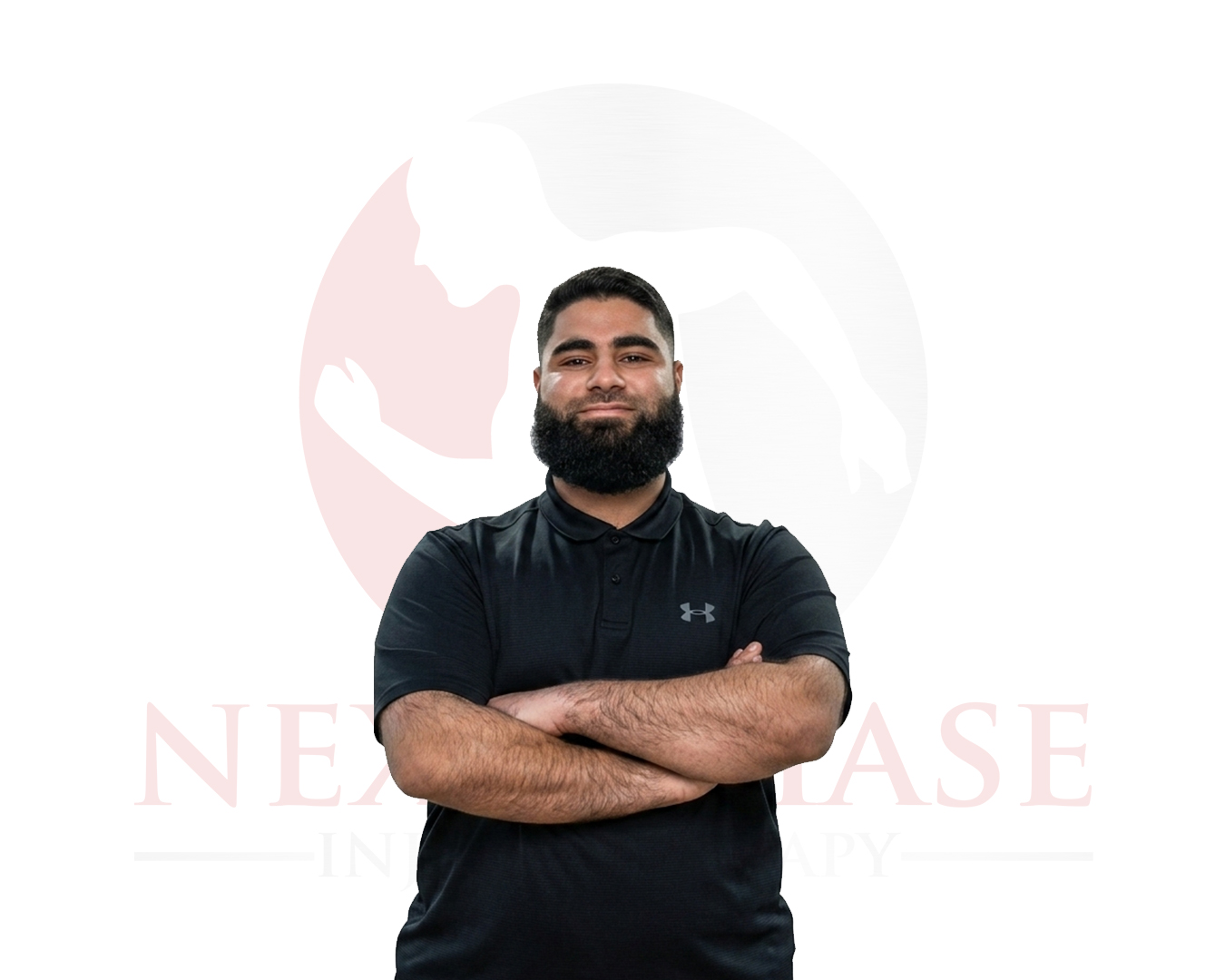 Mohammad El-Helou
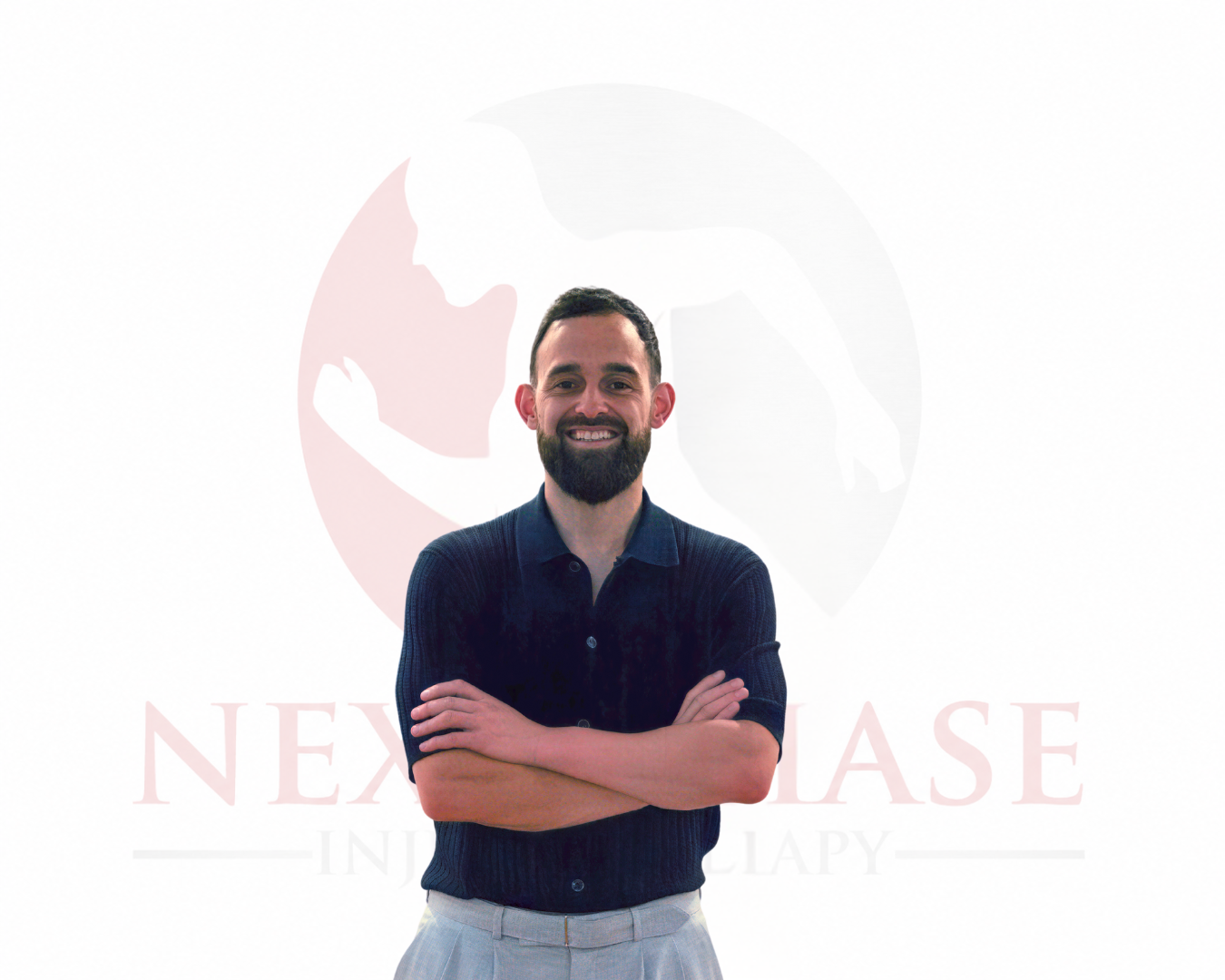 Akin Konak
 Leena Salameh
 Lilly Anny
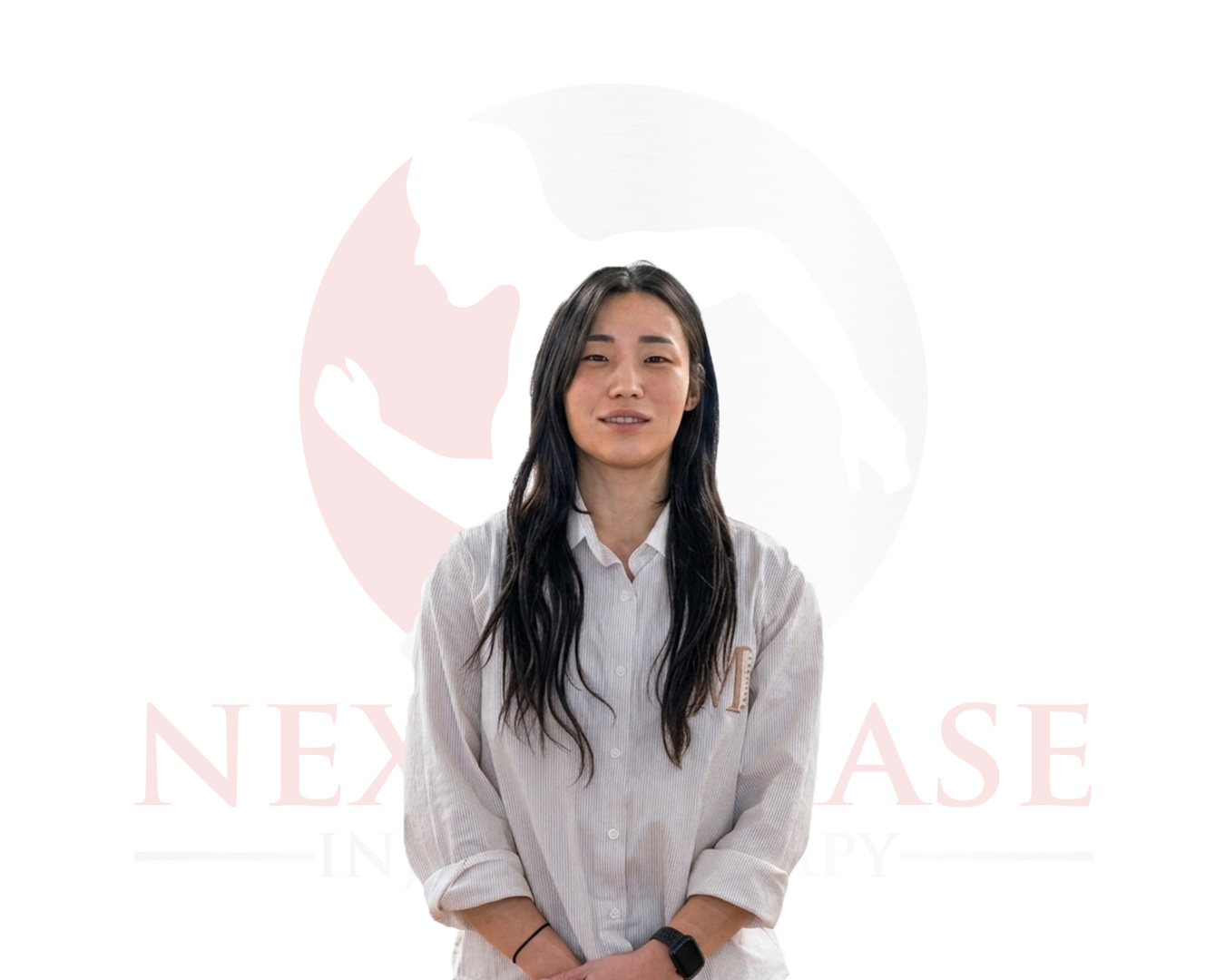 Kimberly Kim
Dry needling involves inserting a thin, sterile needle into a tight or painful muscle trigger point to help release tension and improve function. It's based on modern anatomy and musculoskeletal science — not traditional acupuncture — and works best as part of a broader treatment plan.
Targeted needling of tight bands and trigger points to help release tension where it's held.
Many people notice easier movement in the treated area once muscle tension settles.
Used to help calm stiffness and discomfort linked to overactive or overloaded muscles.
A useful addition to training and rehab programs — helping muscles recover and respond to load.
Your practitioner locates and treats the specific point driving your tightness or pain.
Often combined with physiotherapy, chiropractic care or massage — not used as a stand-alone fix.
Trigger points across the neck, shoulders and upper back that build with stress, posture or overuse.
Tightness through the lower back, hip and glute muscles that limits comfortable movement.
Muscle tightness in the calf, hamstring and quad that shows up with training and sport.
Not sure if dry needling is right for your muscle tightness? Every plan starts with an assessment — if dry needling isn't the right fit, we'll point you toward what is, including our physiotherapists and chiropractors under the same roof.
Dry needling at Next Phase Injury Therapy is delivered by our AHPRA-registered physiotherapists and chiropractors as part of your treatment — not a separate, stand-alone service. Several members of our team list dry needling among their specialties.
Leena completed her Masters of Physiotherapy at the University of Sydney. Alongside hands-on rehab, she lists dry needling and Hijama among her specialties — used to help release tight muscles and support your recovery through movement.
Book with LeenaLilly trained at Macquarie University and lists dry needling and muscle scraping among her techniques, alongside sports rehab, shockwave therapy and cupping / Hijama — often combining several in the one session to get you moving again.
Book with LillyKimberly completed her Bachelor's and Master's in Chiropractic at Macquarie University. She combines chiropractic adjustment, dry needling, cupping therapy, soft tissue techniques and movement-based rehab, drawing on her background in powerlifting to inform her approach to biomechanics and injury prevention.
Book with KimberlyMohammad takes a hands-on, patient-centred approach, offering a wide range of therapies including spinal adjustments, soft tissue work, dry needling, dry cupping, Hijama and shockwave therapy.
Book with MohammadAkin offers a wide range of techniques including sports massage, dry needling, myofascial release, trigger point therapy and Hijama — bringing an understanding of sport-related injuries from his own playing background.
Book with AkinHave a preferred practitioner? Just let us know when you book.
Your practitioner checks your muscle tension, movement and the area that's bothering you, before deciding whether dry needling is a good fit.
A thin, sterile needle is inserted into the trigger point. Most people feel only mild discomfort, and your practitioner adjusts to your comfort throughout.
You'll get guidance on gentle movement afterward, and dry needling is usually paired with manual therapy or exercises in the same visit.
Do you need a referral? No — you can book dry needling directly with our physiotherapists or chiropractors. If you're claiming through WorkCover, CTP, DVA or a Medicare Chronic Disease Management plan, bring your GP referral to your first appointment.
Dry needling is rarely a one-off. Watch how a typical course comes together as you scroll — from your first treatment through to ongoing care.
Your practitioner examines the muscle, explains the plan and begins treatment. Many people notice reduced tightness and improved movement within 24–48 hours — individual responses vary.
Your practitioner reviews how your muscles responded and adjusts technique, location and frequency to suit you.
Dry needling continues alongside manual therapy, stretching and corrective exercise as part of your broader plan.
Every person responds differently — session numbers and timeframes shown are examples only. Your practitioner will tailor a plan specific to you.
Dry needling is performed by allied health practitioners, which gives it a solid basis for funding. It can typically be claimed on private health insurance, workers compensation and EPC referral, and fits within NDIS, WorkCover and CTP plans.
Next Phase Injury Therapy is a registered NDIS provider. Dry needling can be included in your plan where it supports your therapy goals.
Injured at work? Dry needling can be included in your approved WorkCover treatment plan.
Hurt in a motor vehicle accident? Dry needling is available as part of your NSW CTP-funded treatment.
We help confirm cover before you start — claim numbers, plan details and any referral needed.
Baseline assessment of your muscle tension and movement, with goals agreed with you.
Dry needling delivered alongside manual therapy and exercise, in structured, reviewed blocks.
Progress reports go to your GP, insurer or plan reviewer at the right times.
Dry needling is delivered as part of a comprehensive approach, not as a stand-alone fix. Depending on your assessment, your session may include:
Techniques with an arrow link to their own service page — several are available as standalone appointments alongside dry needling.
Most people feel fine after dry needling, with only mild, short-lived muscle soreness. A peek inside how to look after yourself once you leave:
General aftercare guidance only, for education purposes — not a substitute for individual advice. Many people notice reduced tightness and improved movement within 24–48 hours of treatment, though individual responses vary. Contact the clinic if you have concerns or your soreness feels unusual.
No. You can book dry needling directly with one of our physiotherapists or chiropractors. The exceptions are WorkCover, CTP, DVA and Medicare Chronic Disease Management plans — bring your GP referral for those.
Your practitioner inserts a thin, sterile needle just under the skin into a tight or tender muscle. Most people feel only mild discomfort — some notice a brief, dull ache from the muscle stimulation — and your practitioner checks in throughout to keep you comfortable.
It may help release tight muscles, stimulate local blood flow, and improve range of motion and mobility. It may also support a reduction in pain and stiffness and complement functional strengthening — used alongside manual therapy and exercise, with individual responses varying.
Yes. Dry needling is performed by allied health practitioners, so it can typically be claimed on private health extras cover, through workers compensation, and under an EPC referral. See our private health page for details.
No. While both use thin needles, dry needling is based on modern anatomy and musculoskeletal science, targeting muscle trigger points to change how a muscle functions. Acupuncture is rooted in traditional Chinese medicine and meridian theory — different techniques, different frameworks.
Slide the meter to match how tight your muscles feel — and make a booking whenever you’re ready. Open 8am–8pm at 444 Hume Hwy, Yagoona. Parking at the rear.
Prefer to talk it through first? Call (02) 9791 9599