Ease muscle tension
Deep tissue and trigger point techniques designed to help release tight knots and reduce day-to-day tension in overworked muscles.
Our fully qualified remedial massage therapists target damaged, tight and overworked muscles with hands-on treatment designed to ease tension, improve circulation and support your recovery — whether you're managing an injury, training hard, or just carrying stress in your shoulders.
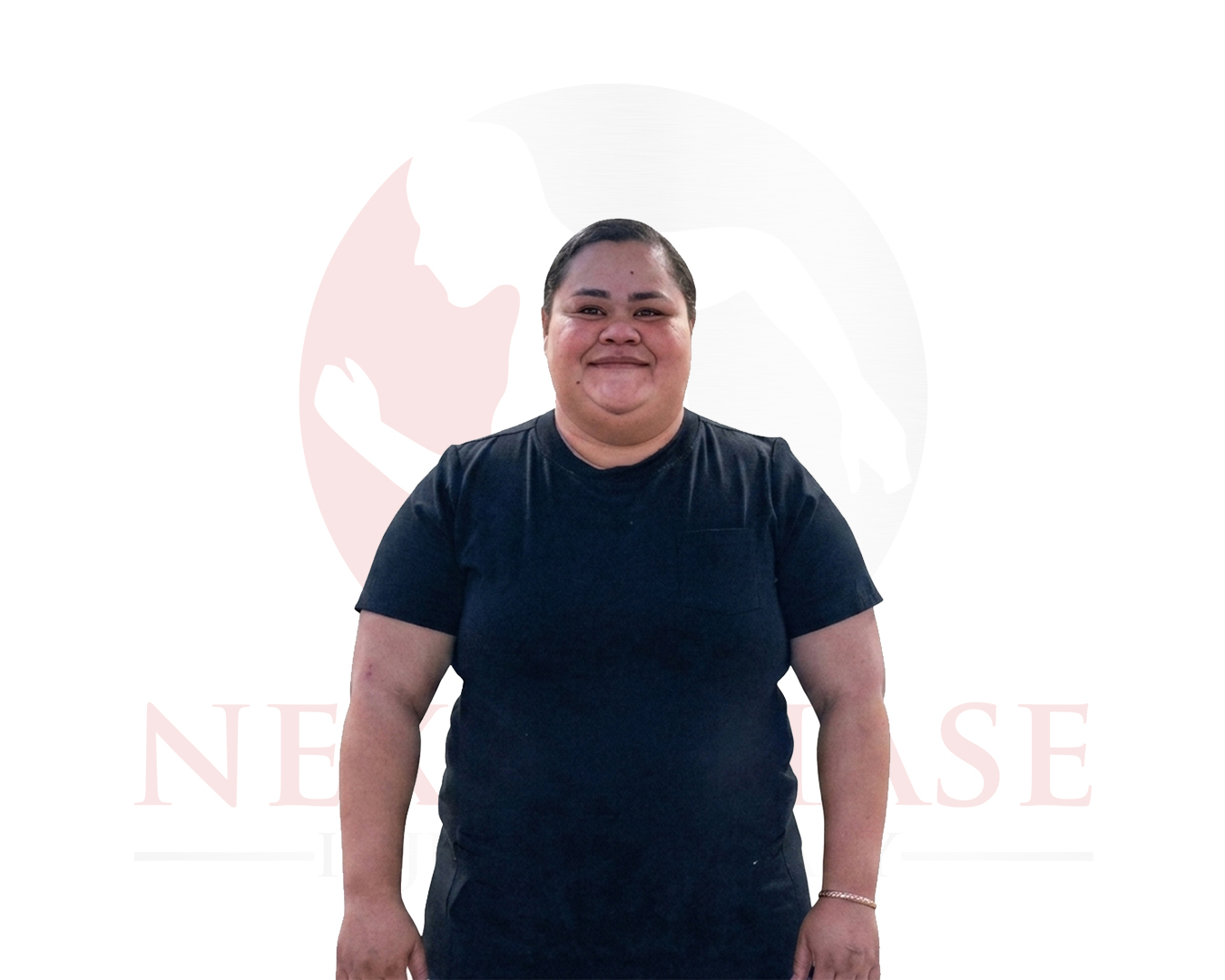 Olive Kumar
 Gozde Konak
 Hadi Said
Remedial massage is a hands-on, therapeutic treatment focused on identifying and treating damaged, tight or painful muscles, tendons and soft tissue. It's designed to go beyond general relaxation — helping to ease tension, support recovery and keep you moving.
Deep tissue and trigger point techniques designed to help release tight knots and reduce day-to-day tension in overworked muscles.
Hands-on techniques that may help improve circulation and joint mobility, supporting easier, more comfortable movement.
Targeted treatment for sore, stiff or aching muscles — often used alongside physiotherapy or chiropractic care.
Massage that complements your broader rehabilitation plan, helping manage soft-tissue symptoms as you recover.
Sports and deep tissue massage designed to support training load, recovery between sessions and general performance maintenance.
Practical self-care advice and stretching guidance to help reduce the chance of tension and tightness building back up.
Tight traps, sore necks and tension-type headaches from stress, screens and posture.
Muscle tightness, overuse and recovery needs from sport and regular training.
Longstanding tightness through the back, hips and legs that just won't ease up.
*Pregnancy massage techniques vary by trimester — let the team know how far along you are. Lymphatic drainage massage is gentle and may help people with conditions like lymphedema; this is general information, not medical advice.
Not sure if your condition belongs on this list? Every treatment starts with an assessment — if remedial massage isn't the right fit, we'll point you toward what is, including our physiotherapists and chiropractors under the same roof.
Our remedial massage therapists are fully qualified and experienced in treating tight, tired and overworked muscles — and they work alongside our physiotherapists and chiropractors, so your care never hits a dead end.
Gozde holds a Diploma of Remedial Massage and offers sports and remedial massage, deep tissue and trigger point work, lymphatic drainage, pregnancy, relaxation and oncology massage. A former soccer player of ten years, she brings a practical understanding of athletic movement, injury and recovery to every session.
Book with GozdeOlive has been practising remedial massage for more than 20 years, and hijama (cupping) therapy for over 15 years. Warm and hands-on, she comes from a sporting family and brings a broad, highly skilled toolkit to every session — from relaxation and remedial massage through to more specialised techniques including hijama, wood therapy, full body lymphatic drainage, lymphoedema treatment, pelvic floor strengthening and stretching, paediatric massage, sports massage and pregnancy massage.
Book with OliveHadi brings over ten years' experience across relaxation, remedial, sports and lymphatic drainage massage.
Book with HadiYour massage therapist asks about your goals, any injuries or conditions, and how far along you are if pregnancy massage is relevant.
A hands-on assessment of muscle tightness, movement and problem areas, so your treatment is targeted rather than generic.
Treatment begins with deep tissue, trigger point or myofascial techniques as appropriate, plus simple self-care advice to take home.
Do you need a GP referral? No — our massage therapists are primary contact practitioners, so you can book directly. If you're claiming through WorkCover, CTP, DVA or a Medicare Chronic Disease Management plan, please bring your GP referral to your first appointment.
Ongoing care can feel like a random string of appointments. Your massage therapist turns it into a plan — watch the sessions fall into line as you scroll.
We assess your tightness and movement, then use hands-on techniques designed to help ease acute tension and discomfort.
As acute tightness settles, treatment shifts toward improving mobility and addressing movement patterns that may be contributing to tension.
Regular sessions, spaced to suit you, aimed at maintaining progress and helping reduce the chance of tightness building back up.
Every body responds differently — timeframes shown are an example only. Your massage therapist will talk through a plan suited to you.
Many people combine remedial massage with support through the NDIS or their private health extras. If you're claiming through WorkCover or CTP, massage can sometimes be included as part of an approved treatment plan — usually alongside physiotherapy or chiropractic care.
If remedial massage aligns with the goals in your NDIS plan and is delivered by a suitable provider, it may be included as part of your supports.
Remedial massage may be included as part of your approved WorkCover treatment plan, usually alongside physiotherapy or chiropractic care rather than as a standalone treatment.
If you're recovering from a motor vehicle accident, remedial massage may be included as part of your approved CTP treatment plan, usually alongside physiotherapy or chiropractic care.
We'll help you understand whether remedial massage fits your NDIS plan, WorkCover or CTP approval — and what to bring.
Baseline assessment, then goals agreed with you and, where relevant, your case manager, coordinator or GP.
Hands-on treatment delivered in a way that supports your broader plan, reviewed as you progress.
Updates provided at the right times, and your sessions adjusted as your needs change.
Every session starts with an assessment of your muscle tightness and movement. Depending on what we find, your treatment may include:
Techniques with an arrow link to their own service page — several are available as standalone appointments and often combined with remedial massage.
Simple things you can do between visits to help maintain your progress. A peek inside:
General self-care guidance only, for education purposes — not a substitute for individual treatment. These are illustrative examples; your massage therapist can advise which stretches, heat or ice, and self-care steps are right for you. Stop and speak with your therapist if you feel pain or discomfort.
Some techniques, such as deep tissue or trigger point work, can feel firm or intense over particularly tight areas — but treatment is always adjusted to your comfort. Let your therapist know at any point if the pressure feels too strong.
It depends on your condition, how long you've had it and how your body responds. Many people report noticing an improvement within one to two sessions, though this varies from person to person — your therapist will talk through what to expect for you.
Yes. It's commonly used to support sports injury recovery and ongoing training, often alongside physiotherapy. It may help with muscle recovery, tightness and general athletic maintenance.
Regular remedial massage may help reduce long-term muscle tension and support the management of chronic pain, particularly alongside other treatment such as physiotherapy or chiropractic care. Results vary from person to person.
No. Our massage therapists are primary contact practitioners, so you can book directly. The exceptions are WorkCover, CTP, DVA and Medicare Chronic Disease Management plans — please bring your GP referral for those.
Slide the meter to match how tense you're feeling — and make a booking whenever you’re ready. Open 8am–8pm at 444 Hume Hwy, Yagoona. Parking at the rear.
Prefer to talk it through first? Call (02) 9791 9599