Muscle tension relief
Some people find Hijama helps ease general muscle tightness and tension when used alongside other treatment.
Hijama (wet cupping) is a traditional therapeutic practice offered at Next Phase Injury Therapy in a clean, safe, clinical environment. Delivered by trained practitioners as a complementary therapy alongside massage and physiotherapy — never a replacement for medical care.
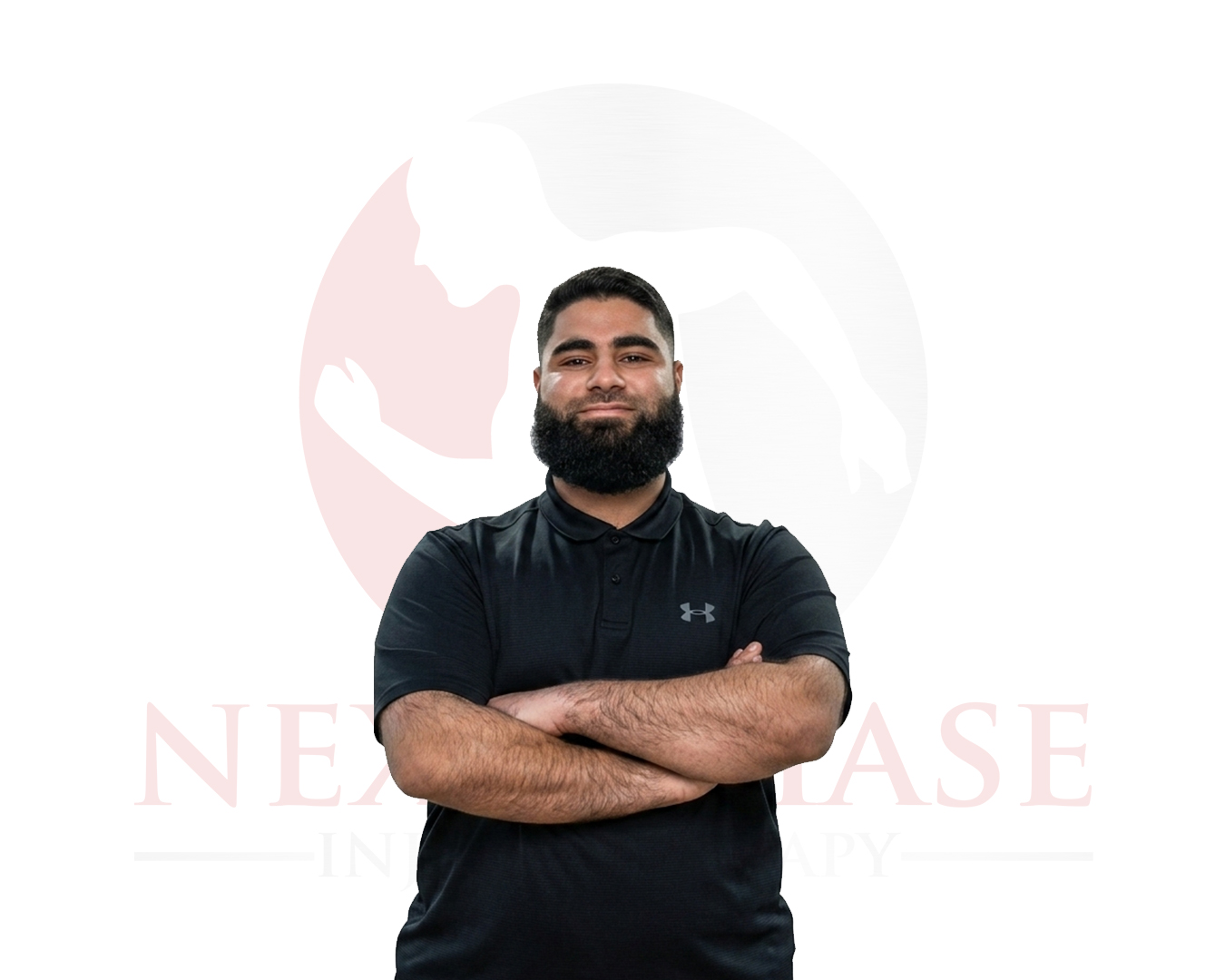 Mohammad El-Helou
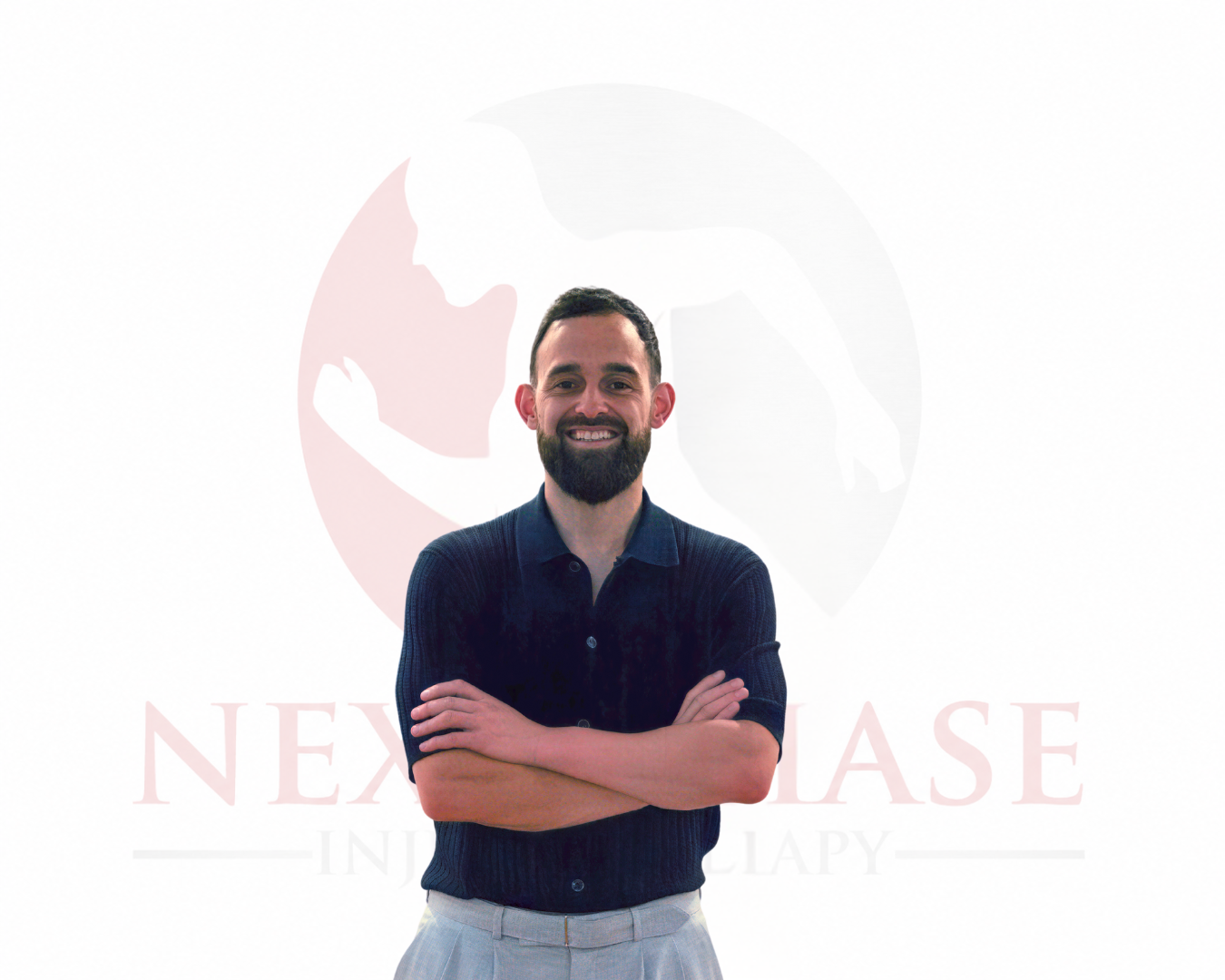 Akin Konak
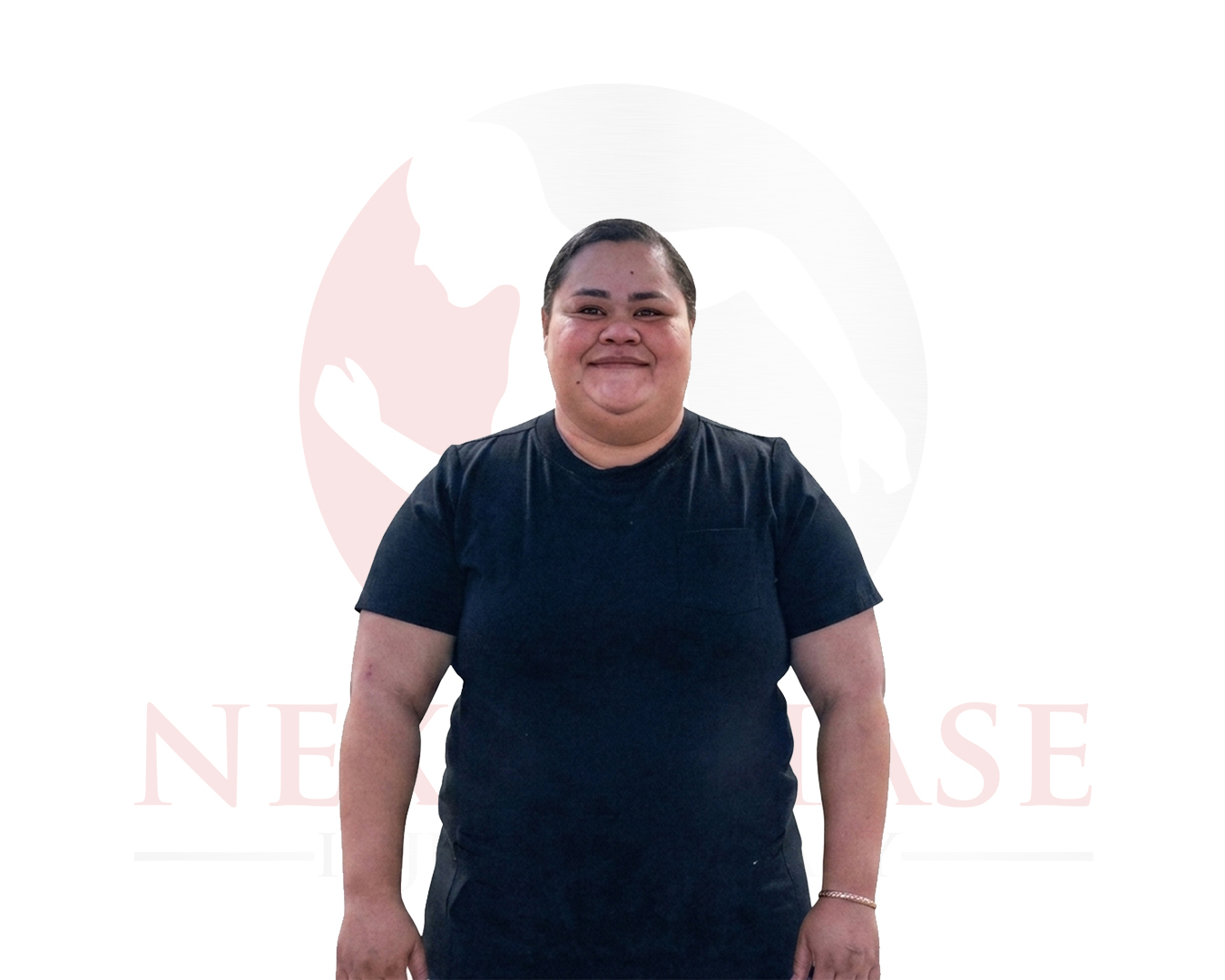 Olive Kumar
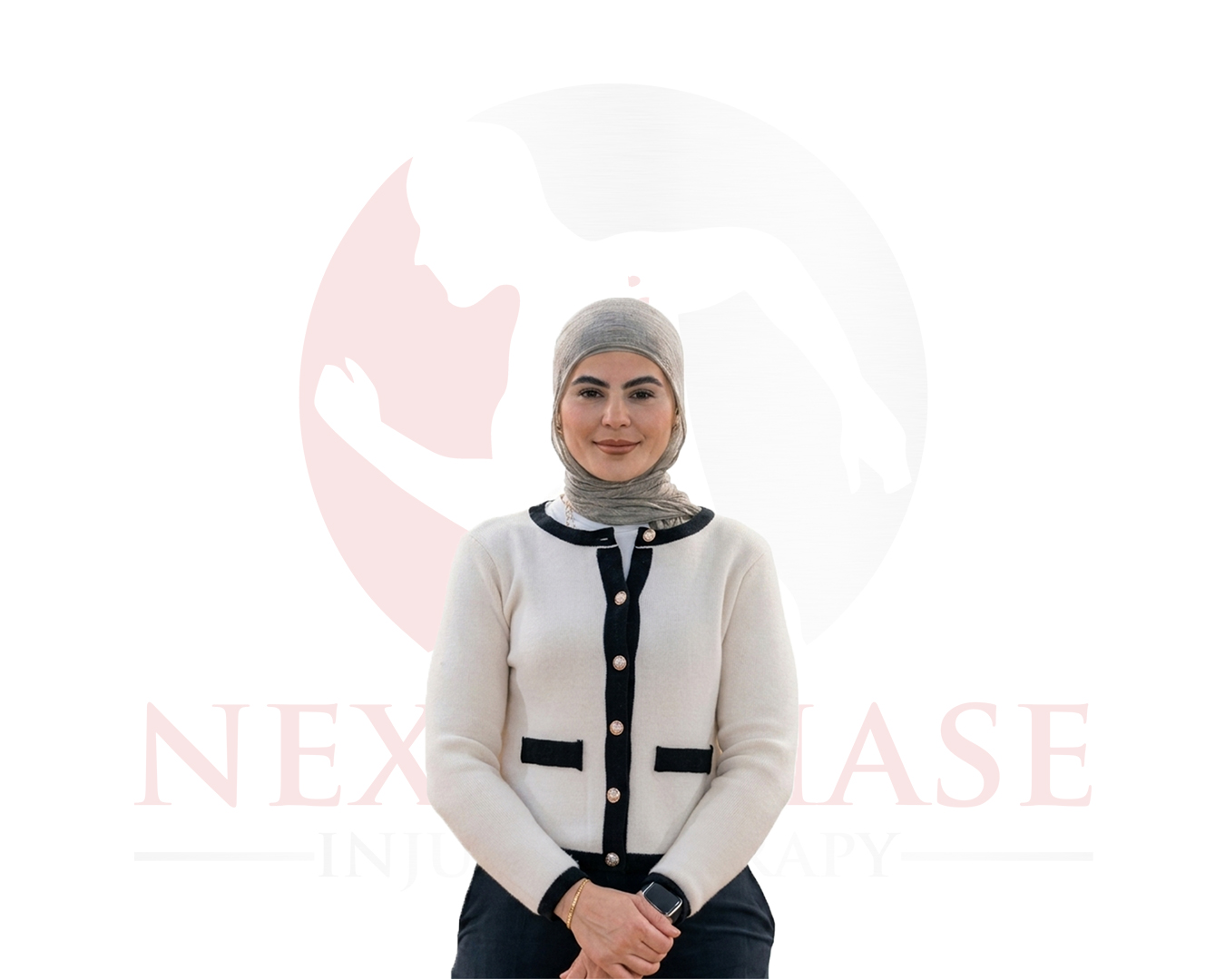 Leena Salameh
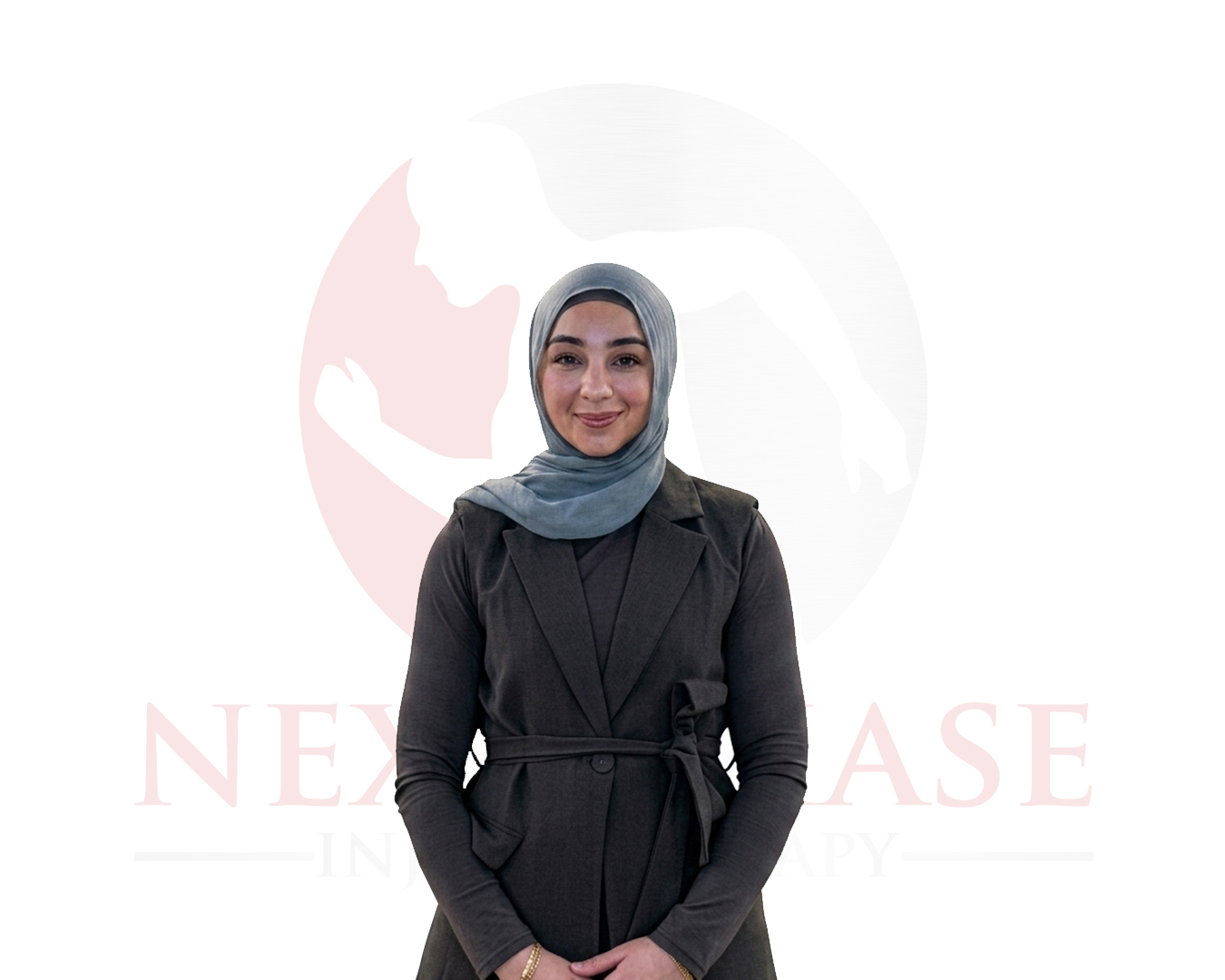 Lilly Anny
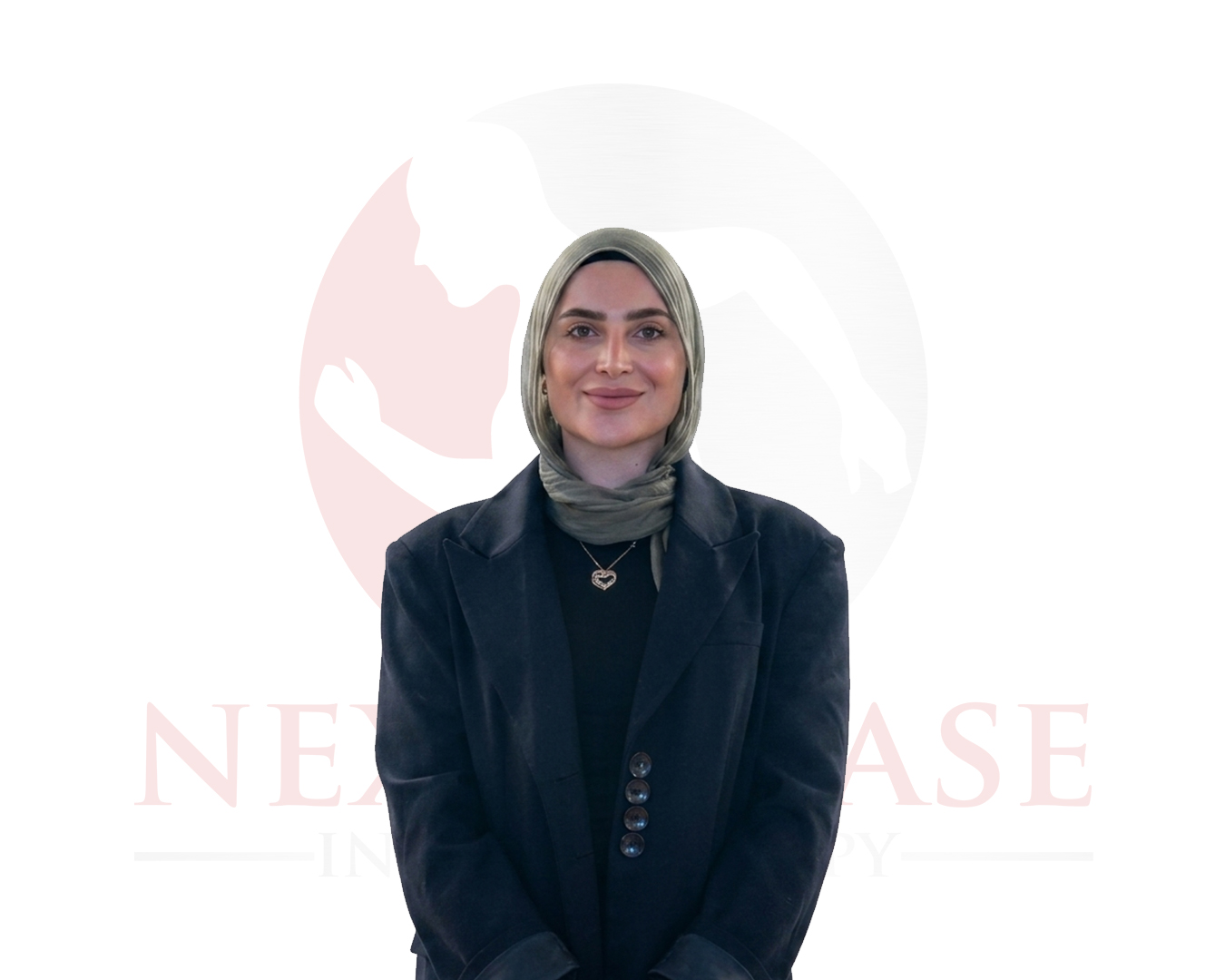 Loren Elachi
Hijama involves applying suction cups to specific areas of the body. At Next Phase Injury Therapy it's delivered by trained practitioners with strict hygiene standards — offered as a complementary therapy some people use alongside modern treatment, not a replacement for it.
Some people find Hijama helps ease general muscle tightness and tension when used alongside other treatment.
Often used after physical activity as part of a broader recovery routine, alongside rest and gentle movement.
A calm, structured session in a clean clinical setting, delivered respectfully and at your comfort level.
Some people include Hijama as part of a general wellbeing routine, alongside a healthy lifestyle.
Can be safely combined with massage or physiotherapy where appropriate, as part of a broader plan.
Performed with attention to tradition, hygiene and your comfort, by practitioners who take the time to explain the process.
General muscle tension and tightness through the shoulders, neck and back.
Recovery after physical activity, or simply time set aside to relax.
Used alongside other treatment as part of a general wellbeing routine.
Not sure if Hijama is the right fit? We'll always have an honest conversation with you first — and if something else suits you better, we'll point you toward our remedial massage therapists or chiropractors under the same roof.
Hijama at Next Phase Injury Therapy is performed by trained practitioners, including some of our AHPRA-registered chiropractors — always with an emphasis on hygiene, safety and your comfort.
Mohammad takes a hands-on, patient-centred approach, offering a wide range of therapies including spinal adjustments, soft tissue work, dry needling, dry cupping, Hijama and shockwave therapy.
Book with MohammadAkin offers a wide range of techniques including sports massage, dry needling, myofascial release, trigger point therapy and Hijama — bringing an understanding of sport-related injuries from his own playing background.
Book with AkinLeena completed her Masters of Physiotherapy at the University of Sydney. Alongside hands-on rehab, she lists dry needling and Hijama among her specialties — used to help release tight muscles and support your recovery through movement.
Book with LeenaLilly trained at Macquarie University and lists cupping and Hijama among her techniques, alongside sports rehab, dry needling and shockwave therapy — often combining several in the one session to get you moving again.
Book with LillyLoren is part of our chiropractic team, practising Hijama and dry cupping alongside spinal adjustment and soft tissue work.
Book with LorenOlive has been practising remedial massage for more than 20 years, and hijama (cupping) therapy for over 15 years. Warm and hands-on, she comes from a sporting family and brings a broad, highly skilled toolkit to every session — from relaxation and remedial massage through to more specialised techniques including hijama, wood therapy, full body lymphatic drainage, lymphoedema treatment, pelvic floor strengthening and stretching, paediatric massage, sports massage and pregnancy massage.
Book with OliveWe ask about your health, including whether you take blood-thinning medication or are pregnant, to make sure Hijama is appropriate for you.
Your practitioner walks you through what will happen, answers your questions, and makes sure you're comfortable before starting.
You'll leave with clear aftercare guidance — what's normal to expect, and when to get in touch if anything feels unusual.
Do you need a GP referral? No — you can book Hijama directly without a referral. Your suitability, including any contraindications such as blood thinners or pregnancy, is discussed at your first visit.
A Hijama session follows a clear, unhurried process from start to finish — watch it fall into a straight line as you scroll.
We check your suitability, discuss the areas of concern, then apply cups to the target areas using controlled suction.
The cups are removed and a small, controlled release is performed by your practitioner, then the area is cared for immediately.
The area is cleaned and you're given clear aftercare advice, including what's normal to expect over the following days.
Every session is tailored to you — your practitioner will explain each step as it happens and check in on your comfort throughout.
Hijama is a traditional therapy, and we treat it with the same rigour as everything else we do — sterile equipment, trained practitioners and an honest conversation about whether it's right for you.
A small number of people shouldn't have Hijama without discussing it first.
Every session follows strict hygiene and safety protocols.
A few things are completely normal after a Hijama session.
Hijama is offered as a complementary therapy. Depending on your goals, your practitioner may suggest pairing it with:
Techniques with an arrow link to their own service page — several are available as standalone appointments.
A little care after your session goes a long way. A peek inside what we'll cover with you:
General aftercare guidance only, for education purposes — not a substitute for individual advice. Your practitioner will confirm what's appropriate for you. Contact the clinic if anything feels unusual or concerning.
Yes, when performed by trained practitioners using sterile, single-use equipment in a clean clinical environment. Your practitioner will discuss your suitability with you before treatment begins.
People taking blood-thinning medication or who are pregnant should discuss this with the practitioner before booking, as Hijama may not be suitable in these situations. This is checked at your initial visit.
No. Any temporary marks or light bruising are normal and usually fade within about 10 days.
No GP referral is needed to book Hijama. Your suitability for treatment is discussed at your first visit.
Yes. Hijama can be used alongside massage or physiotherapy where appropriate, as a complementary therapy — it's not a replacement for medical care.
Slide the meter to match how tense you're feeling — and make a booking whenever you’re ready. Open 8am–8pm at 444 Hume Hwy, Yagoona. Parking at the rear.
Prefer to talk it through first? Call (02) 9791 9599