Increases blood flow
May help increase blood flow to the treated area, supporting the body's own healing response.
Extracorporeal Shockwave Therapy (ESWT) uses focused sound waves to stimulate healing in stubborn, long-standing injuries. It's non-invasive and evidence-based, delivered by our AHPRA-registered physiotherapists and chiropractors as part of a structured treatment plan — not as a stand-alone quick fix.
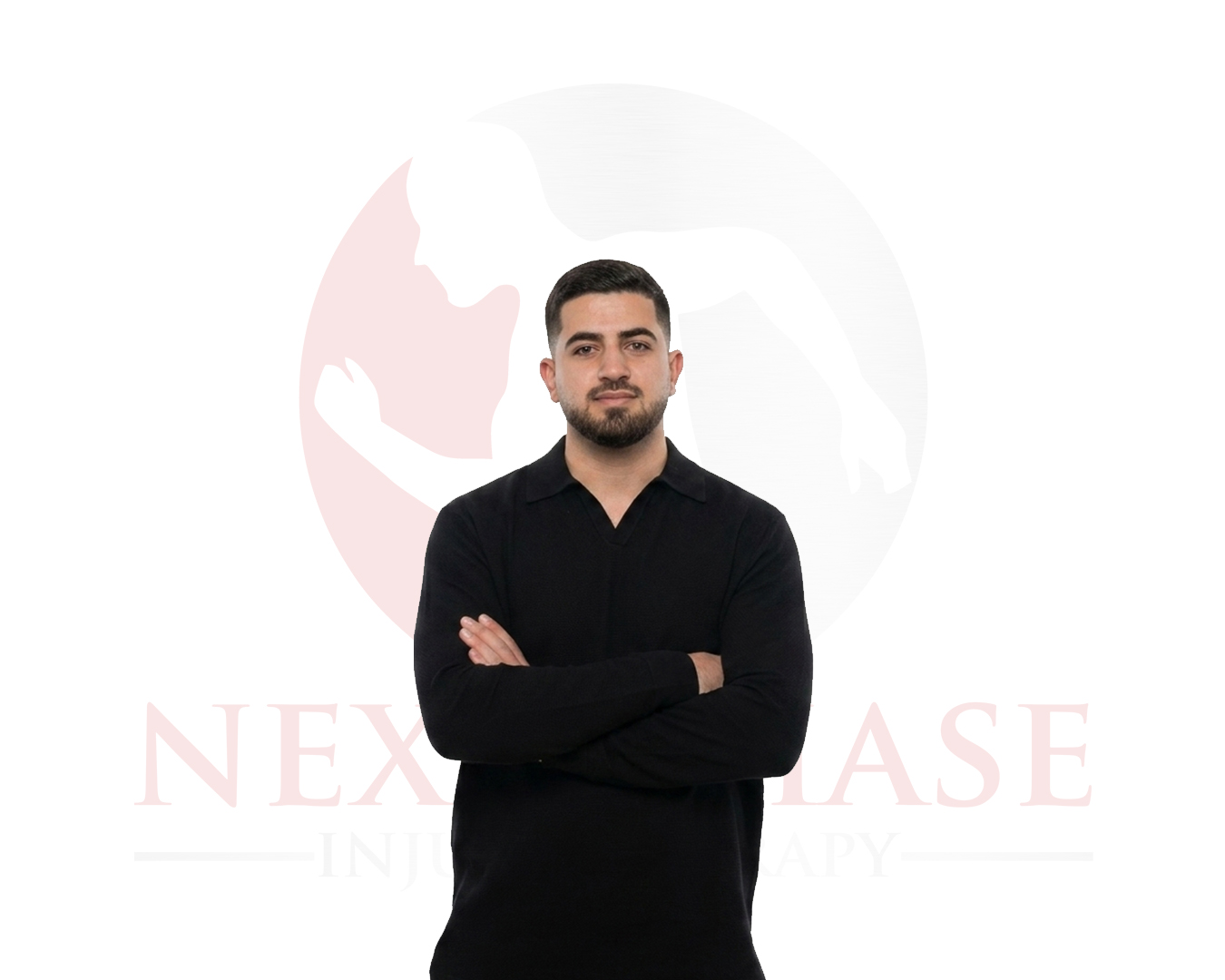 Ryan Tamerji
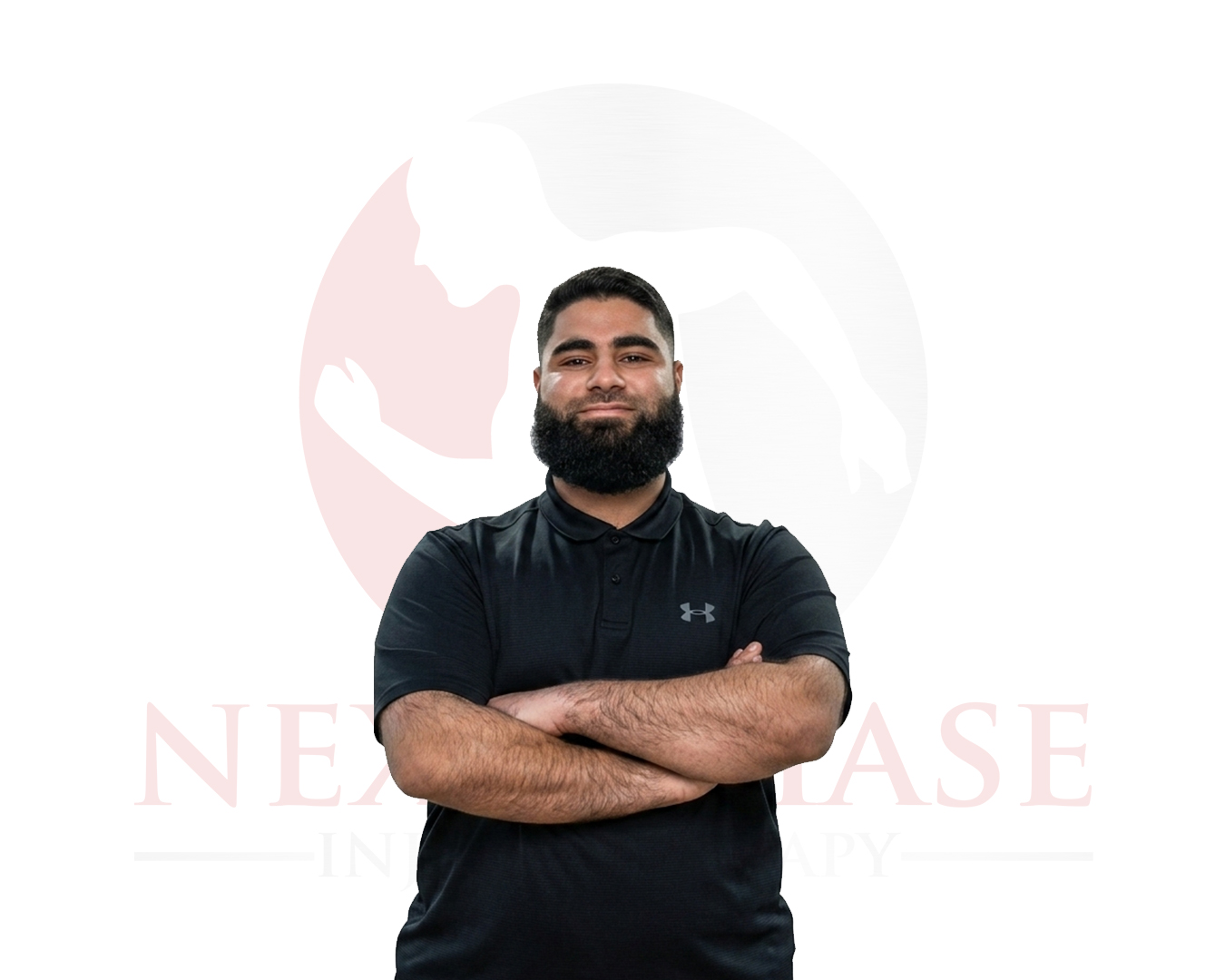 Mohammad El-Helou
 Lilly Anny
Extracorporeal Shockwave Therapy (ESWT) delivers focused, high-energy sound waves into injured tissue. It's non-invasive, evidence-based, and commonly used by physiotherapists and chiropractors to support the body's own repair process — particularly for pain that has lingered for three months or more.
May help increase blood flow to the treated area, supporting the body's own healing response.
Encourages the tissue-repair and regeneration process in injured tendons and other soft tissue.
May help break down scar tissue and calcific deposits that build up around chronic, long-standing injuries.
Can help settle pain and sensitivity, particularly in tendons that haven't responded to rest alone.
Delivered with gel and a handheld applicator against the skin — no needles, injections or surgery.
A well-studied treatment option, typically used alongside physiotherapy or chiropractic care for chronic conditions.
Persistent heel and arch pain that hasn't settled with rest, stretching or other treatment.
Lateral or medial elbow pain from repetitive gripping, lifting or racquet sports.
Achilles and patellar tendinopathy that lingers well beyond the usual healing window.
Not sure if shockwave is right for your injury? Every plan starts with an assessment — if shockwave isn't the right fit, we'll point you toward what is, including our physiotherapists and chiropractors under the same roof.
Shockwave therapy at Next Phase isn't run by a separate dedicated team — it's delivered by our AHPRA-registered physiotherapists and chiropractors as part of your broader treatment plan.
Ryan trained at Western Sydney University with clinical experience across acute care, musculoskeletal and sports settings. He has a particular interest in return-to-sport rehab, using evidence-based exercise prescription and graded loading strategies — often alongside shockwave therapy for stubborn tendon injuries.
Book with RyanLilly is a chiropractor who trained at Macquarie University. Shockwave Therapy is one of the techniques she offers as part of her approach to chronic tendon and joint pain, alongside hands-on chiropractic care.
Book with LillyMohammad takes a hands-on, patient-centred approach, offering a wide range of therapies including spinal adjustments, soft tissue work, dry needling, dry cupping, Hijama and shockwave therapy.
Book with MohammadHave a preferred practitioner? Just let us know when you book.
Your practitioner reviews your injury history and confirms shockwave therapy is a suitable option before any treatment begins.
A soft gel is applied and the handheld applicator generates a loud, rhythmic tapping sound. You may feel some tingling before the pain-relieving effects — intensity is adjusted for your comfort.
Sessions are short and generally well tolerated, with mild to moderate discomfort possible. Your practitioner will explain what to expect between sessions.
Do you need a referral? No — you can book directly for shockwave therapy. If you're claiming through WorkCover, CTP, DVA or a Medicare Chronic Disease Management plan, please bring your GP referral, as those claim types generally require one.
Shockwave therapy is usually delivered as weekly sessions, often across three to six treatments depending on the condition. Watch a typical course fall into line as you scroll.
Your practitioner confirms shockwave is a suitable option, explains what to expect, and delivers your first treatment.
Most people have further weekly sessions here, often alongside progressive loading and strengthening exercises.
Your practitioner reviews your progress and decides whether further sessions, or a different approach, would help.
Timeframes shown are examples only, based on a typical course of three to six sessions — conditions that have been present longer may take more time to respond. Clinical research on shockwave therapy has reported meaningful improvement for many people within the first few sessions, but individual response varies, and your practitioner will track your progress and adjust your plan as needed.
Shockwave therapy may be included as part of an approved WorkCover, CTP or NDIS treatment plan, when it's delivered by your physiotherapist or chiropractor as part of a broader program. You may also be able to claim on private health insurance, depending on your fund and level of cover.
Where shockwave therapy fits within your allied health goals, it may be included as part of an approved treatment plan delivered by your physiotherapist or chiropractor.
If shockwave therapy is included in your approved treatment plan for a workplace injury, we can deliver it alongside your physiotherapy or chiropractic care.
Shockwave therapy may be included in an approved CTP treatment plan following a motor vehicle accident, delivered alongside your physiotherapy or chiropractic care.
We help you get the paperwork right before you start — referrals, claim numbers, plan details and treatment approvals, where relevant.
Baseline assessment to confirm shockwave is a suitable option, with goals agreed with you and, where relevant, your case manager or GP.
Shockwave delivered in structured weekly sessions alongside physiotherapy or chiropractic care, reviewed as you progress.
Progress reports go to your GP, insurer or plan reviewer at the right times — and your plan adjusts as you respond to treatment.
Shockwave therapy isn't used on its own — it's combined with a broader treatment plan tailored to your injury. Depending on your assessment, your plan may include:
Techniques with an arrow link to their own service page — shockwave therapy is typically delivered within a physiotherapy or chiropractic appointment rather than as a stand-alone visit.
A little extra care after each session helps you get the most from your treatment. A peek inside:
General aftercare guidance only, for education purposes — not a substitute for individual advice. Everyone responds differently to shockwave therapy; your practitioner will confirm what's right for your injury and stage of treatment. Stop and speak with your practitioner if you feel unusual or worsening pain.
It varies by condition — many people have a course of around three to six weekly sessions, but every person responds differently. Your practitioner will confirm an expected plan at your first visit and review it as you progress.
Yes. It's a widely used, non-invasive treatment when delivered by a trained physiotherapist or chiropractor. Mild to moderate discomfort during treatment is possible, but sessions are short and generally well tolerated, and intensity is adjusted for your comfort.
Shockwave therapy is one of the treatments commonly used for chronic plantar fasciitis and may help settle persistent heel pain. As with any treatment, individual results vary, and your practitioner will track your progress and adjust your plan as needed.
For some people, shockwave therapy may reduce the need for other interventions as part of a broader treatment plan. It isn't a substitute for a doctor's or surgeon's assessment, and your practitioner will discuss your options with you.
Slide the meter to match your pain — and make a booking whenever you’re ready. Open 8am–8pm at 444 Hume Hwy, Yagoona. Parking at the rear.
Prefer to talk it through first? Call (02) 9791 9599