Answers, explained
properly.
104 articles from our physiotherapists, chiropractors, massage and sports therapists — covering injury, recovery, NDIS, WorkCover and CTP. Straightforward, AHPRA-compliant information to help you understand your options before you book.
How to choose the right allied health clinic.
With so many options, choosing an allied health clinic can feel overwhelming. Here's what's worth considering.
Read article → Health & WellbeingUnderstanding chronic pain: a multi-disciplinary approach.
Chronic pain is complex, and it usually responds best to more than one type of treatment. Here's how a multi-disciplinary approach works.
Read article → NDISNDIS physiotherapy: how your plan can help.
Physiotherapy is a common and valuable support under many NDIS plans. Here's how funding for it typically works.
Read article →Showing all 104 articles
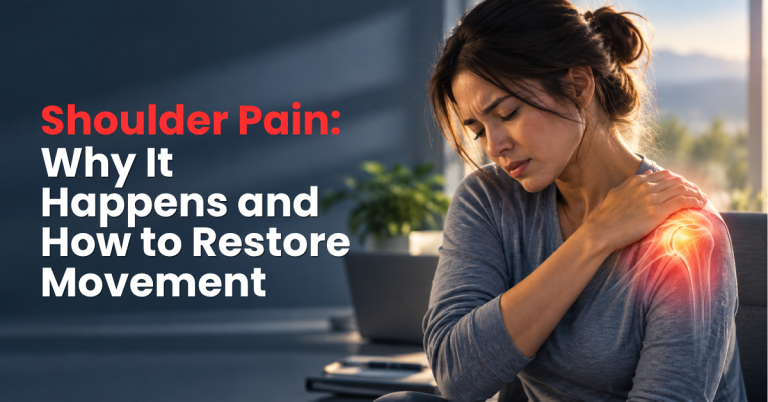
Shoulder Muscle Pain: Why It Happens and How to Restore Movement
Shoulder muscle pain has a way of making itself known in almost everything you do. Reaching for something overhead, pulling on a jacket, sleeping on that side, lifting...
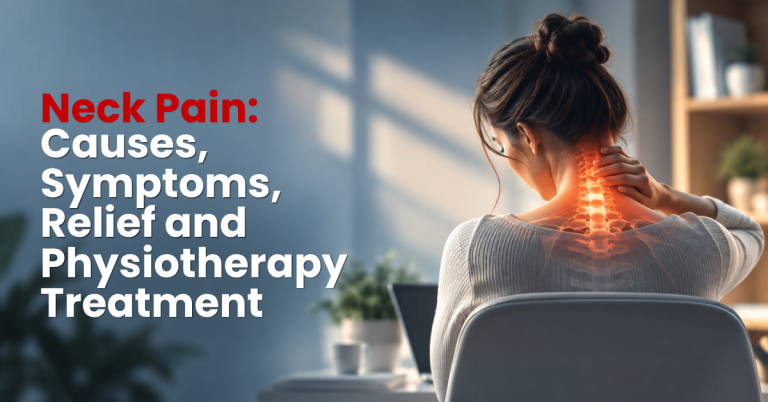
Neckache: Causes, Symptoms, Relief and Physiotherapy Treatment
Neckache is one of the most common musculoskeletal complaints, affecting a significant proportion of adults at any point in time. For most people it starts as stiffness or...
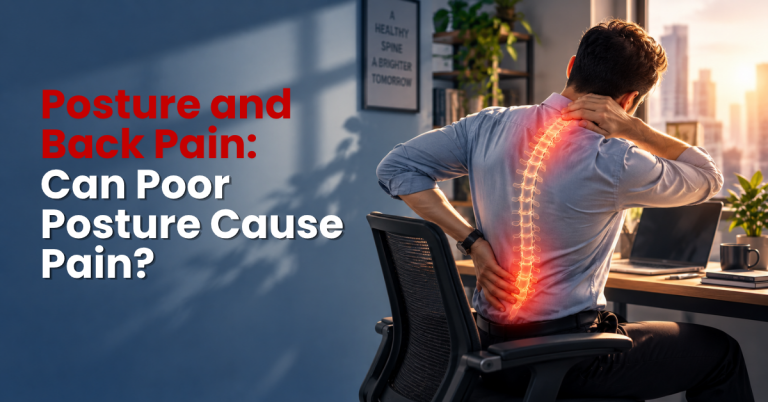
Posture and Back Pain: Can Poor Posture Cause Pain?
Sit up straight. Pull your shoulders back. Stop slouching. Posture gets blamed for a lot of back pain. But the relationship is not as simple as good posture versus...

Muscle Strain: How It Happens and What Helps You Recover
A muscle strain can happen in a second. A sudden pull during a sprint, a sharp grab in the calf mid-run, a hamstring that tightens during sport, or...
Hip Ache: Common Causes and Physiotherapy Treatment
Hip ache can be frustrating because it rarely stays in one neat spot. It might feel like a deep ache in the front of the hip, a sharp...

How to Manage Elbow Discomfort and Get Back to Normal Movement
An aching elbow that flares up when you lift a coffee cup, shake someone’s hand, or turn a door handle has a way of making its presence felt...
From an Aching Ankle to Recovery: Causes and Physiotherapy Care
An aching ankle after a long day, swelling after sport, or an ankle that never quite felt right since a sprain months ago can be frustrating. Ankle pain...
Sport Related Injuries: Types, Causes & Physiotherapy Treatment
Sport is meant to challenge the body. Sprinting, jumping, tackling, twisting and pushing through fatigue are all part of training and competition. But sometimes the body is asked...
Workplace Injury Prevention: Tips, Risks and What Actually Helps
Workplace injuries cost more than the immediate pain and time off. They affect productivity, team morale, rehabilitation costs and, for the person injured, sometimes months of recovery. In...

Neck Pain Relief: When Is a Stiff Neck Serious?
Most neck pain is exactly what it feels like: stiffness and aching after a long day, a poor night’s sleep or too many hours at a screen. It’s...
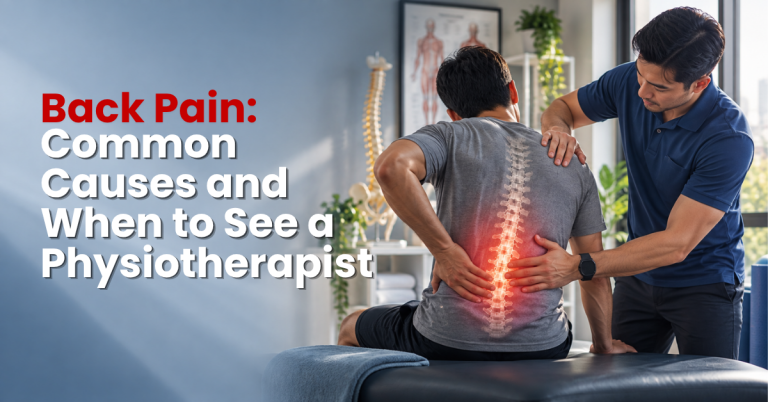
Back Pain: Common Causes and When to See a Physiotherapist
Back pain can start in a hundred different ways. A heavy lift that did not feel right. A long day at the desk. A gym session that pushed...
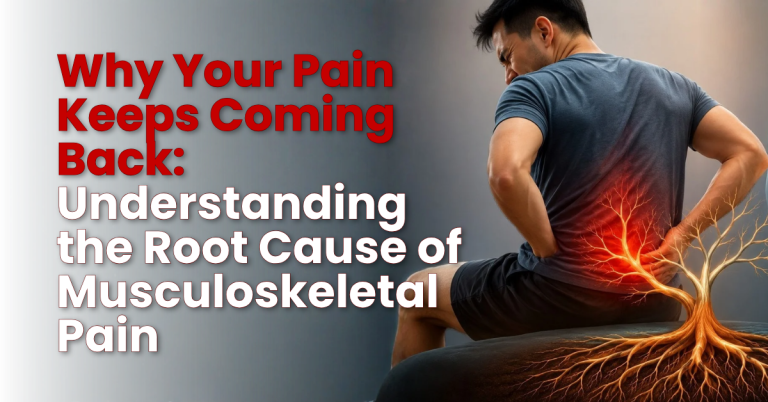
Why Does Muscle Pain Keep Coming Back? Find the Root Cause
You rested. Took something for the pain. Maybe even stopped the activity that seemed to trigger it. For a while, your muscle pain eased and life went back...
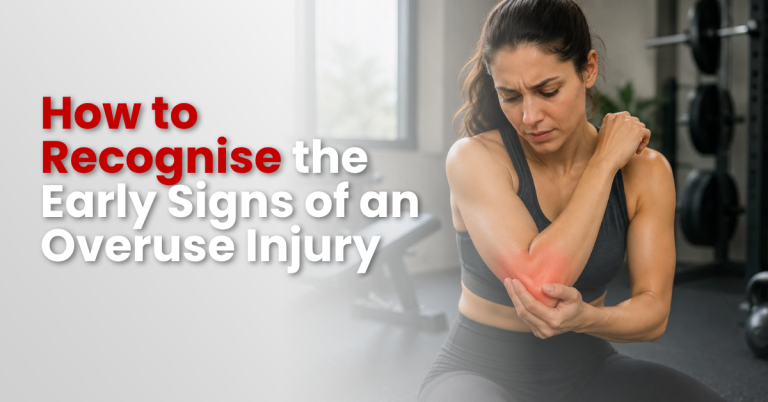
How to Recognise the Early Signs of an Overuse Injury
Some injuries announce themselves. A rolled ankle or a pulled hamstring happens in a single moment, and you know exactly when things went wrong. An overuse injury is...
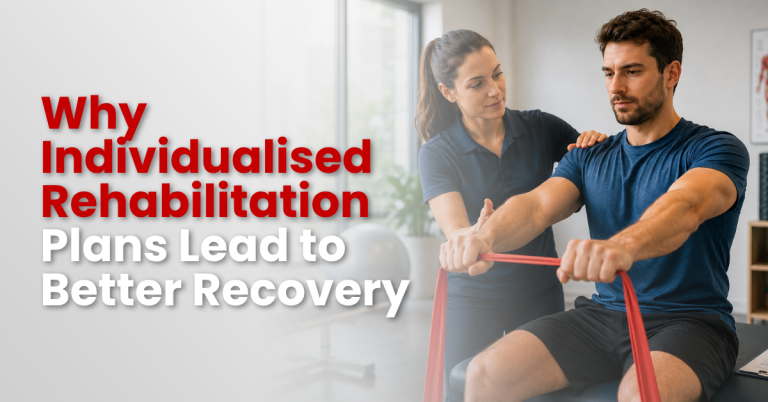
Why Individualised Rehabilitation Plans Lead to Better Recovery
Two people can have the same injury on paper and completely different recoveries in practice. One is a tradie who needs to lift all day. The other sits...

What Causes Loss of Flexibility With Age, and Can You Improve It?
Bending down to tie your shoes, checking your blind spot, reaching the top shelf. Movements that once required no thought can start to feel noticeably tighter somewhere in...

Can Walking Help Improve Chronic Back Pain?
Short answer: yes, for many people with chronic low back pain, walking is one of the simplest and best-supported things you can do. That might sound too easy....
Why Fitness Recovery Is an Important Part of Any Fitness Routine
Most people put plenty of effort into their workouts, but far less thought into what happens between them. Whether you’re hitting the gym, training for footy season, or...
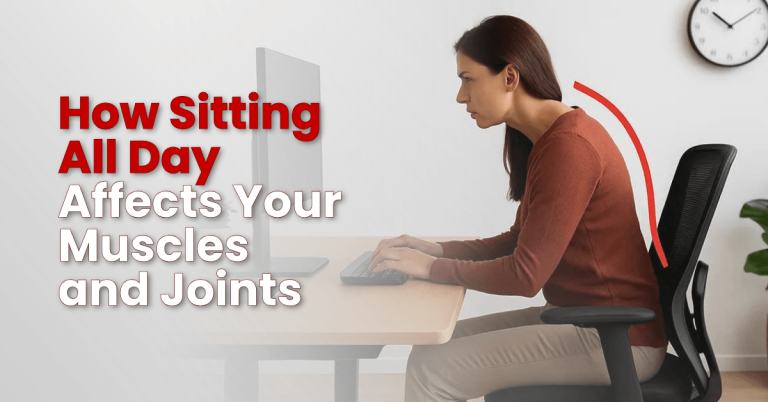
How Sitting All Day Affects Your Muscles and Joints
Sitting is part of everyday life for a lot of people. You might spend hours at a desk, sit through a long commute, work from home, study, drive...

Common Causes of Shoulder Pain in Everyday Life
Shoulder pain can show up in surprisingly ordinary situations. Reaching into a cupboard, carrying groceries, sleeping on one side, lifting at work or getting back into the gym...
Health HubWorkcover Rights Treatment Nsw
Understanding your general entitlements If you’ve been injured at work in NSW, it’s natural to have questions about what treatment you’re entitled to. This is general information only,...
Health HubWorkcover Ctp Physiotherapy Service Area
Next Phase Injury Therapy is based at 444 Hume Hwy, Yagoona, but our WorkCover and CTP patients come from right across the local area — Bankstown, Greenacre, Punchbowl,...
Health HubWorkcover Claim Physiotherapy Guide
Getting help after a workplace injury Hurting yourself at work brings enough stress without confusing paperwork on top of it. This is general information about how WorkCover physiotherapy...
Health HubWorkcover Claim Number Explained
A common question after a workplace injury One of the first questions people ask before booking a WorkCover physiotherapy appointment is whether they need a claim number first....
Health HubWhiplash After Car Accident Treatment
Whiplash symptoms don’t always appear straight away After a car accident, it’s common for whiplash symptoms to take hours or even a day or two to fully develop....
Health HubVertigo Dizziness Vestibular Physiotherapy
Feeling dizzy, off-balance, or like the room is spinning is disorienting at the best of times — and when it keeps happening, it’s natural to want an explanation....
Health HubStaying Active Injury Prevention Tips
Small habits, meaningful protection You don’t need a complicated routine to reduce your risk of injury — a few consistent habits can make a real difference, whether you’re...
Health HubSports Injury Physiotherapy Recovery
Whether it’s a rolled ankle on the weekend, a hamstring strain mid-sprint, or a shoulder niggle that’s crept up over a season, sports injury physiotherapy is about giving...
Health HubShoulder Pain Rotator Cuff Physiotherapy
Shoulder pain is one of the more common complaints we see, and the rotator cuff — a group of muscles and tendons that stabilise the shoulder joint —...
Health HubShockwave Therapy Tennis Elbow
You don’t need to play tennis to get it “Tennis elbow” (lateral epicondylalgia) is a common name for pain on the outside of the elbow, usually related to...
Health HubShockwave Therapy Plantar Fasciitis
What plantar fasciitis is That sharp pain under your heel with your first steps in the morning is a classic sign of plantar fasciitis — irritation of the...
Health HubShockwave Therapy Explained
What shockwave therapy is Shockwave therapy is a non-invasive treatment that delivers focused acoustic pulses through the skin to a targeted area of tissue, most commonly a tendon...
Health HubShockwave Therapy Achilles Tendinopathy
Why Achilles pain can drag on Achilles tendinopathy — pain and stiffness affecting the tendon at the back of the ankle — is particularly common among runners, but...
Health HubScoliosis Assessment And Management
Scoliosis is a sideways curvature of the spine, and hearing the word for the first time can feel alarming. In reality, most cases are mild, many don’t need...
Health HubSciatica Physio Or Chiropractic Care
That sharp, shooting pain running from the lower back down the leg has a name — sciatica — and it’s one of the most common reasons people search...
Health HubReturning To Work After Injury
Recovery and returning to work go together For many people recovering from a workplace or motor accident injury, returning to work is a key part of the recovery...
Health HubRemedial Massage Vs Relaxation Massage
Two different goals Remedial massage and relaxation massage both involve hands-on soft tissue work, but they’re designed to achieve different things. Understanding the difference helps you book the...
Health HubRemedial Massage Benefits Explained
What makes massage “remedial” Remedial massage is a targeted, assessment-based approach — it’s not the same as a relaxation massage you’d book at a day spa. Our qualified...
Health HubPosture Correction Chiropractic Care
What sustained desk posture does to your spine Most of us don’t think much about posture until something starts to ache. But for anyone spending long hours at...
Health HubPost Surgery Rehabilitation Physiotherapy
Surgery can resolve the underlying problem, but it’s rarely the final step in getting back to normal life. Post surgery rehabilitation physiotherapy is what helps you regain movement,...
Health HubPelvic Floor Womens Health Physiotherapy
Pelvic floor concerns — leaking with a cough or a sneeze, a heavy or dragging feeling, or discomfort during everyday activities — are far more common than most...
Health HubNeck Pain Headaches Physiotherapy
Neck pain and headaches often turn up together, but the link between them is easy to overlook. Many people treat the headache as a separate problem — reaching...
Health HubNdis Provider First Appointment
A little preparation goes a long way Attending your first appointment as an NDIS participant is generally similar to any other allied health visit, with a few extra...
Health HubNdis Plan Managed Vs Self Managed
One of the most common questions we hear from new NDIS participants is what plan-managed, self-managed and NDIA-managed actually mean, and why it matters. Getting your head around...
Health HubNdis Physiotherapy Services Explained
If you or someone you support has an NDIS plan, you may already know that physiotherapy is one of the more commonly funded allied health supports. NDIS physiotherapy...
Health HubNdis Allied Health Goals
Why clear goals matter Setting clear allied health goals helps your NDIS plan work harder for you. Goals give your treatment direction, help track meaningful progress, and provide...
Health HubMassage Therapy For Stress Muscle Tension
The stress and tension connection Stress doesn’t just affect your mood — it often shows up physically, particularly in the neck, shoulders and jaw. When we’re under pressure,...
Health HubManual Therapy Explained
If you’ve had physiotherapy, chiropractic care or remedial massage, there’s a good chance some of your treatment was “manual therapy” — even if no one called it that....
Health HubLower Back Pain Physiotherapy Yagoona
Lower back pain is one of the most common reasons people search for physiotherapy in Yagoona and the surrounding suburbs. It can turn up after a long day...
Health HubIs Hijama Right For Me
Hijama, also known as wet cupping, is a traditional therapy that has been practised for centuries and has grown in popularity across Sydney in recent years. If you...
Health HubIs Dry Needling Painful
The question almost everyone asks If you’re booking your first dry needling session, wondering whether it hurts is completely normal. The honest answer is: it depends on the...
Health HubIs Chiropractic Care Safe
Is chiropractic care safe? An honest answer “Is chiropractic care safe” is one of the most common questions people ask before their first appointment, and it’s a reasonable...
Health HubHow Often Should You Get A Massage
How often should you get a remedial massage? There’s no one-size-fits-all answer It’s one of the most common questions people ask before their first visit: how often should...
Health HubHijama Wet Cupping Explained
A traditional therapy, delivered carefully Hijama, also known as wet cupping, is a traditional therapy that’s grown in popularity in recent years. At Next Phase Injury Therapy in...
Health HubHijama Benefits Muscle Recovery
Why people book hijama for muscle tension Many people come to Next Phase Injury Therapy in Yagoona for hijama specifically to address muscle tension and general wellbeing, alongside...
Health HubHijama Aftercare Guide
Why aftercare matters What you do in the day or two after a hijama (wet cupping) session can make a real difference to how comfortably your skin heals....
Health HubFrozen Shoulder Adhesive Capsulitis
Frozen shoulder — medically known as adhesive capsulitis — is a condition where the shoulder capsule becomes thickened and tight, causing pain and a progressive loss of movement....
Health HubFirst Physiotherapy Appointment Guide
Booking your first physiotherapy appointment in Yagoona can feel like a bit of an unknown if you haven’t been before. Knowing what to expect — from what to...
Health HubDry Needling Vs Acupuncture
Dry needling vs acupuncture: what’s actually different? Because both use fine needles inserted into the skin, it’s easy to assume dry needling and acupuncture are the same thing...
Health HubDry Needling For Trigger Points
Muscle knots and trigger points, explained Most people have felt it at some point — a firm, tender spot in a muscle that feels like a “knot”, often...
Health HubDry Needling Explained
Dry needling, explained simply If your physiotherapist has suggested dry needling Yagoona patients often have the same first question: what actually is this? In simple terms, dry needling...
Health HubDeep Tissue Massage For Athletes
Why athletes use sports massage Whether you’re training for a specific event or simply staying active, the demands you place on your body add up. Sports massage —...
Health HubCtp Claim Process Nsw Explained
Making sense of a CTP claim Understanding the CTP (Compulsory Third Party) claims process in NSW can feel overwhelming while you’re also recovering from an injury. This is...
Health HubCtp Claim Physiotherapy Car Accident
After a car accident, treatment options can feel confusing A car accident is stressful enough without untangling how insurance works. This is general information about how CTP (Compulsory...
Health HubClinical Pilates Postnatal Recovery
How pregnancy and birth change your core Pregnancy and birth place significant demands on your core and pelvic floor, regardless of how you gave birth. Abdominal muscles stretch,...
Health HubClinical Pilates Injury Prevention
Prevention is about control, not just strength When people think about preventing injury, strength often comes to mind first — but control, balance and movement quality matter just...
Health HubClinical Pilates For Back Pain
The link between core control and back pain A weak, poorly controlled core is often part of the picture with recurring back pain, particularly for people whose pain...
Health HubClinical Pilates Explained
Not your average Pilates class Clinical Pilates borrows the equipment, principles and exercises of traditional Pilates, but with one key difference: it’s prescribed and supervised by a clinician...
Health HubChronic Pain Management Approaches
Why chronic pain is more complex than acute pain Chronic pain — generally pain lasting longer than three months — behaves differently to the pain of a fresh...
Health HubChoosing The Right Allied Health Clinic
With so many options, how do you choose? Choosing an allied health clinic in Yagoona or the surrounding South West Sydney area can feel overwhelming, especially if you’re...
Health HubChoosing An Ndis Registered Provider
Not all providers are the same Choosing the right NDIS registered provider can make a real difference to your experience and outcomes. Beyond registration status, it’s worth thinking...
Health HubChiropractic For Headaches Migraines
Where headaches and migraines can come from Headaches are common, and they don’t all have the same trigger. Dehydration, stress, screen time, poor sleep and tension held through...
Health HubChiropractic Care For Sciatica
What sciatica actually is Sciatica describes pain that travels along the path of the sciatic nerve — the largest nerve in the body, running from the lower back,...
Health HubChiropractic Care Back Pain Explained
Why back pain is so common Back pain is one of the most frequent reasons people book a chiropractic appointment in Yagoona and across NSW. It can come...
Health HubChiropractic Adjustment What To Expect
Before your first adjustment If you’ve never seen a chiropractor before, the word “adjustment” can sound more dramatic than it actually is. At Next Phase Injury Therapy in...
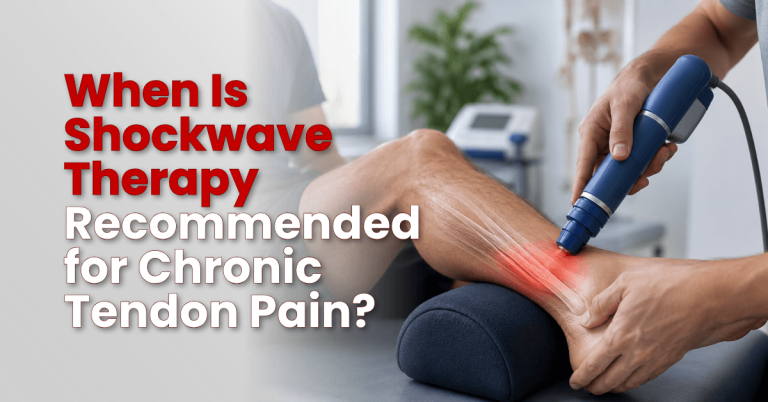
When Is Shockwave Therapy Recommended for Chronic Tendon Pain?
Chronic tendon pain is stubborn by nature. An Achilles that’s ached for a year, a heel that hurts with every morning’s first steps, a shoulder that’s grumbled through...
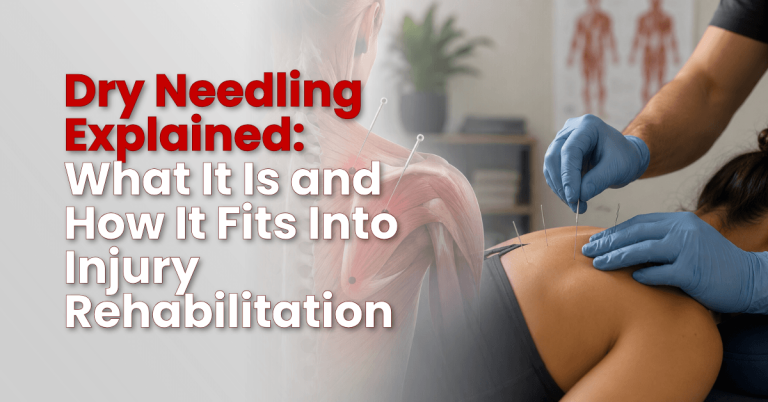
Dry Needling Explained: What It Is and How It Fits Into Injury Rehabilitation
If your physio or chiro has suggested dry needling, or you’ve heard a training partner swear by it, you probably have questions. Does it hurt? Is it the...

Understanding Tennis Elbow: It’s Not Just for Tennis Players
Despite the name, most people who develop tennis elbow have never picked up a racquet. Tradies, office workers, gym-goers and anyone whose day involves repetitive gripping or lifting...

Injury Prevention Tips for Weekend Warriors
Work and family take the weekdays, so the training happens on Saturday and Sunday. Social footy, a long ride, oztag, a big gym session, a competitive game of...
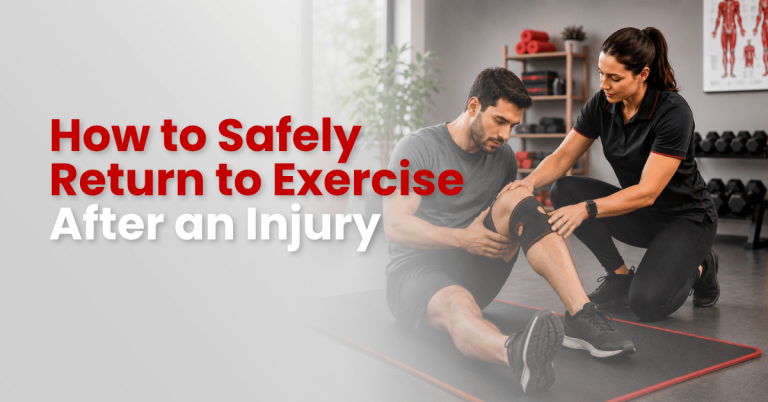
How to Safely Return to Exercise After an Injury
Coming back from an injury is one of the trickiest phases of any fitness journey. Come back too fast and you risk re-injury. Wait too long and you...

Healthy Habits That Support Long-Term Joint and Muscle Health
How your joints and muscles feel at 60 or 70 isn’t decided at 60 or 70. It’s shaped by decades of small, repeatable habits, most of which cost...
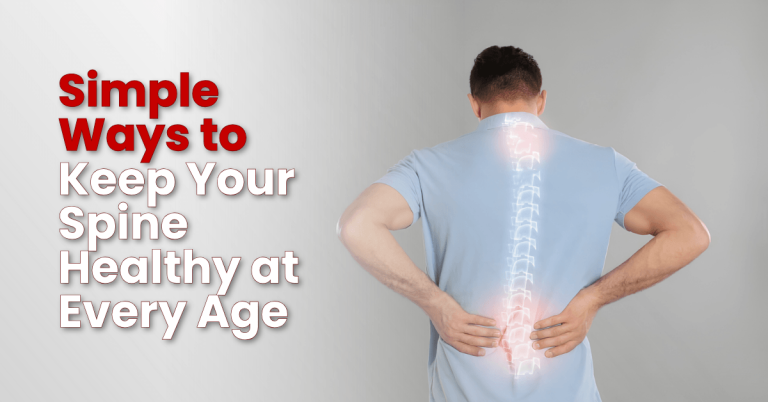
Simple Ways to Keep Your Spine Healthy at Every Age
Here’s a starting point most spine articles skip: your spine is not fragile. It’s a strong, adaptable column of bone, disc and muscle, built to bend, twist, carry...
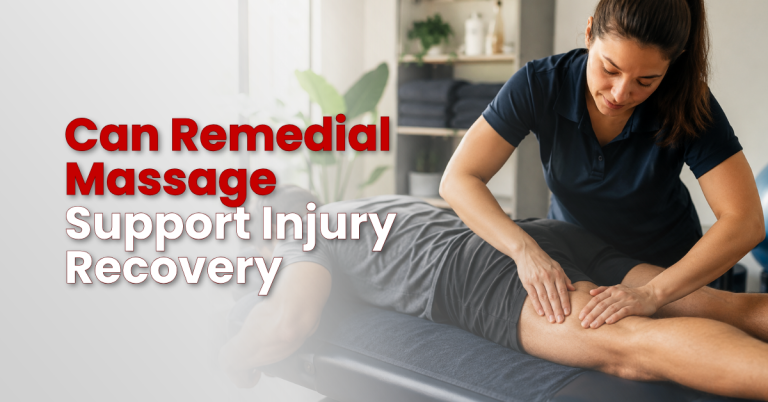
Can Remedial Massage Support Injury Recovery?
Short answer: yes, remedial massage can play a useful supporting role in injury recovery, and the key word is supporting. Massage is one of the oldest treatments there...
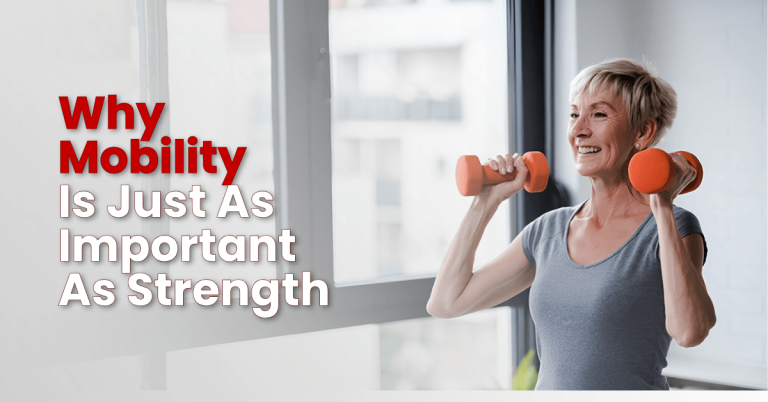
Why Mobility Is Just As Important As Strength
Strength gets the spotlight, and it’s earned it. Strength training is one of the best-supported things you can do for injury prevention, healthy ageing and performance. But plenty...
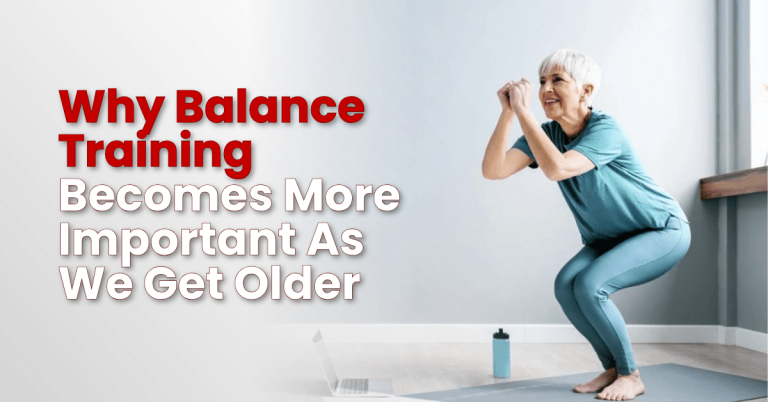
Why Balance Training Becomes More Important As We Get Older
Try something: stand on one leg while you read this paragraph. If that’s noticeably harder than it used to be, you’ve just met one of ageing’s quietest changes....

How Exercise Can Help Manage Arthritis Symptoms
If you have arthritis, the most natural instinct in the world is to protect the sore joint by using it less. It aches when you move it, so...
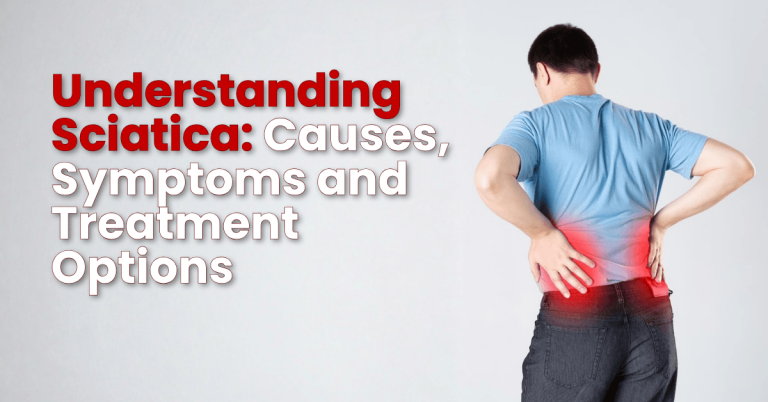
Understanding Sciatica: Causes, Symptoms and Treatment Options
Few types of pain get attention like sciatica. A deep ache or electric jolt running from the lower back or buttock down the leg has a way of...
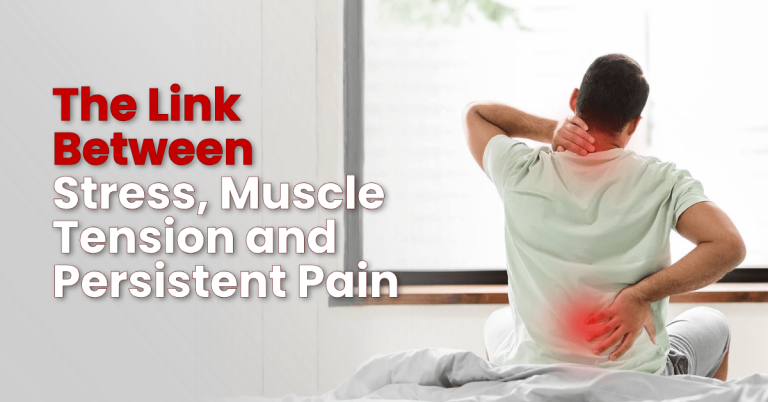
The Link Between Stress, Muscle Tension and Persistent Pain
Most people have felt it: a brutal week at work, and by Friday your shoulders are up around your ears and your neck has a familiar ache. Stress...
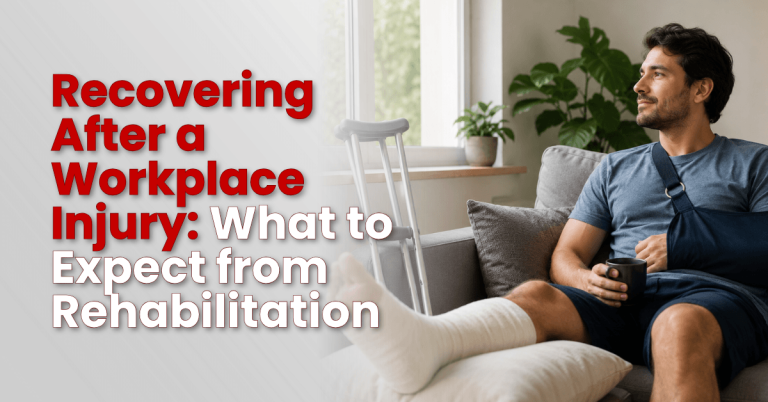
Recovering After a Workplace Injury: What to Expect from Rehabilitation
Doing your back in while lifting stock, tweaking a shoulder on the tools, or landing awkwardly after a slip at work can throw your whole routine out of...

Understanding Whiplash After a Motor Vehicle Accident
Even a fairly minor bingle can leave your neck feeling wrong for days afterwards. You might walk away from a car accident feeling shaken but otherwise okay, only...
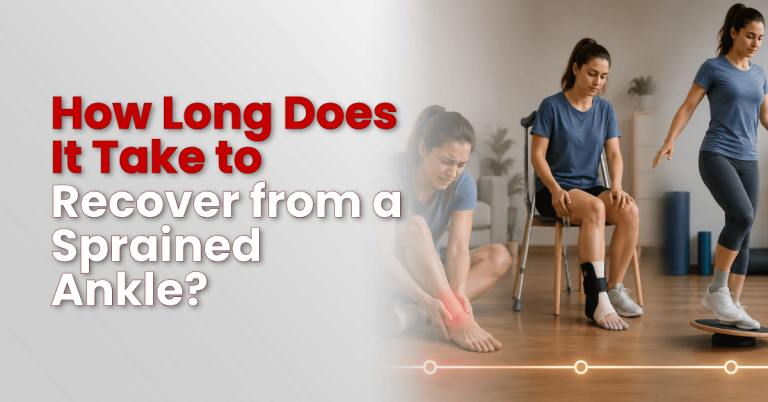
How Long Does It Take to Recover from a Sprained Ankle?
A rolled ankle can look simple at first. You miss a step, land awkwardly during sport, or twist your foot on uneven ground. Then the swelling starts, walking...
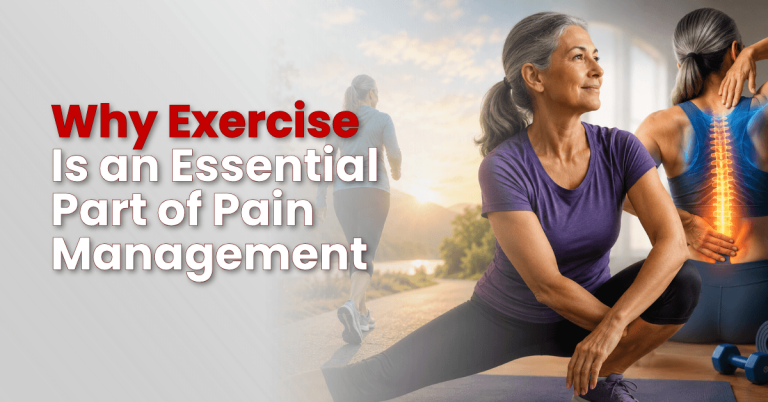
Why Exercise Is an Essential Part of Pain Management
When something hurts, the natural reaction is to protect it. Move less. Rest more. Avoid anything that might set it off. That makes sense in the very early...
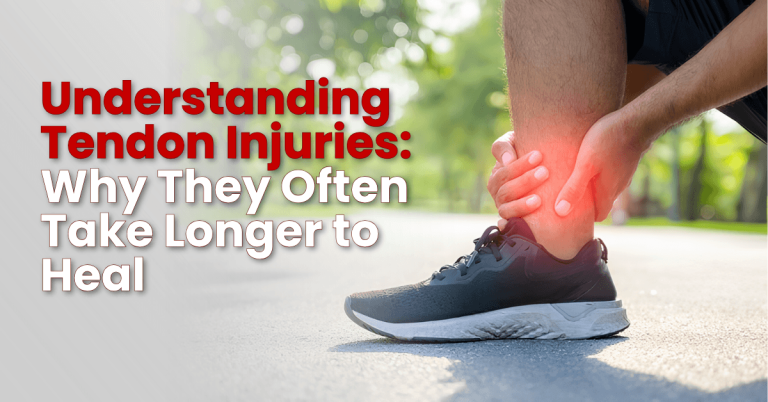
Understanding Tendon Injuries: Why They Often Take Longer to Heal
Tendon injuries can be frustrating. One week your Achilles, shoulder, elbow or knee tendon feels slightly irritated. The next, it hurts every time you run, lift, grip, jump...
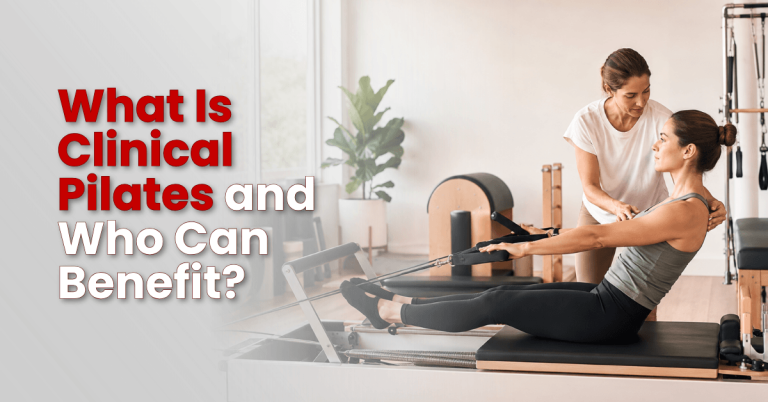
What Is Clinical Pilates and Who Can Benefit?
Pilates has become popular for core strength, posture and mobility, but clinical Pilates is a little different from a standard fitness class. Instead of everyone following the same...
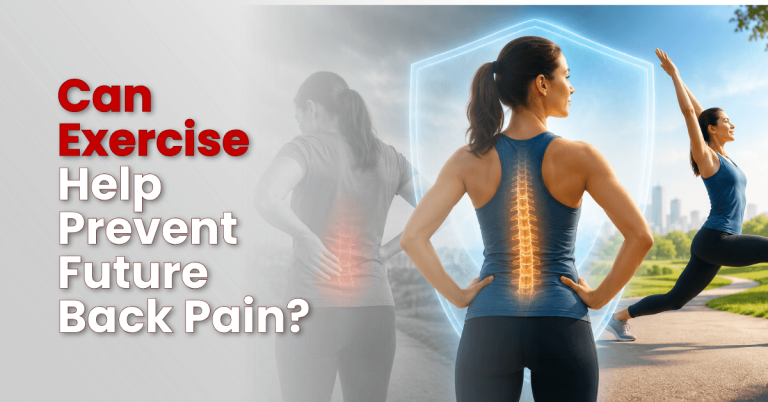
Can Exercise Help Prevent Future Back Pain?
Back pain has a frustrating habit of coming back. It settles for a while, you get busy, movement drops off, then one awkward lift, long drive or heavy...

The Most Common Running Injuries and How to Reduce Your Risk
Running looks simple from the outside. Shoes on, door open, start moving. But anyone who runs regularly knows the body has opinions. A small ache near the knee,...
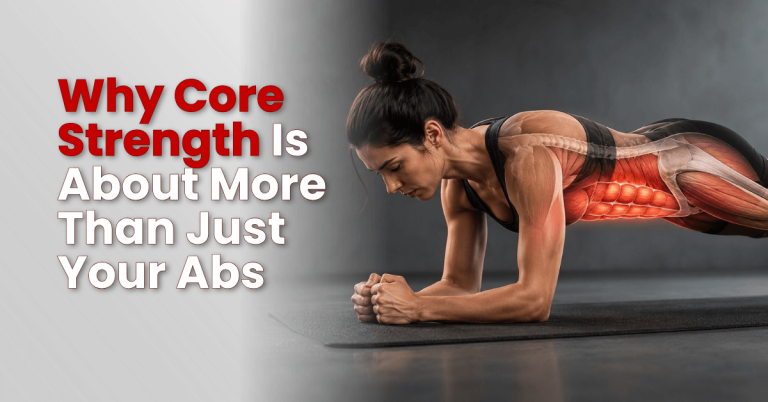
Why Core Strength Is About More Than Just Your Abs
When most people hear the words core strength, they think of abs. Sit-ups, planks, six-packs and burning stomach workouts usually come to mind first. But your core is...
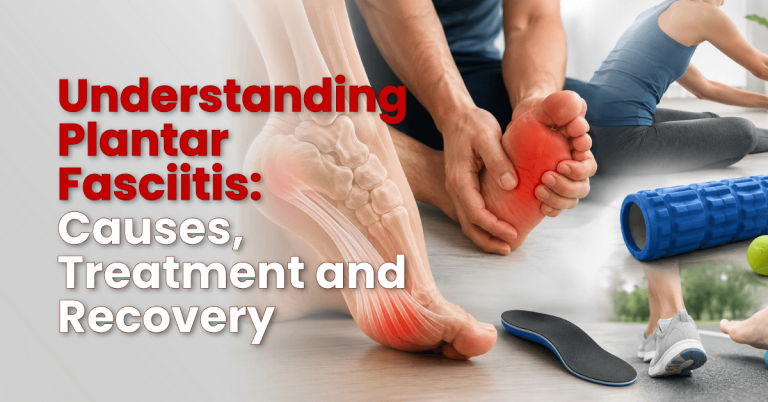
Understanding Plantar Fasciitis: Causes, Treatment and Recovery
That sharp heel pain when you take your first steps in the morning is one of the classic signs of plantar fasciitis. For some people, it eases once...
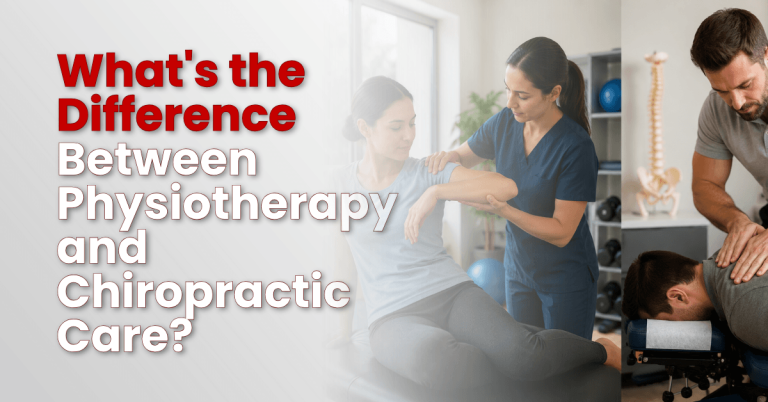
What’s the Difference Between Physiotherapy and Chiropractic Care?
If you’ve ever stood in front of two booking options and wondered which one your shoulder actually needs, you’re not alone. Physiotherapy and chiropractic care are both registered...

How Early Treatment Can Improve Recovery After a Sports Injury
The first 48 to 72 hours after a sports injury are a window most people either use well or waste completely. What you do in that period, and...
Common Causes of Lower Back Pain and When to Seek Professional Help
Lower back pain is one of the most common reasons people visit a health professional, and one of the most misunderstood. Most people assume there’s something structurally wrong,...
The Truth About Poor Posture: Can It Really Cause Pain?
Poor posture gets blamed for a lot. Back pain, neck pain, headaches, shoulder tension, fatigue. The advice follows quickly: sit up straight, stop slouching, get a better chair....
Understanding Rotator Cuff Injuries: Symptoms, Recovery and Prevention
The rotator cuff is one of those body parts most people haven’t thought about until it becomes a problem. Then it becomes very hard to ignore. Reaching overhead,...
Why Warm-Ups and Cool-Downs Matter More Than You Think
Most people know they should warm up. Far fewer actually do it, and those who do often spend two minutes on a treadmill and call it done. The...
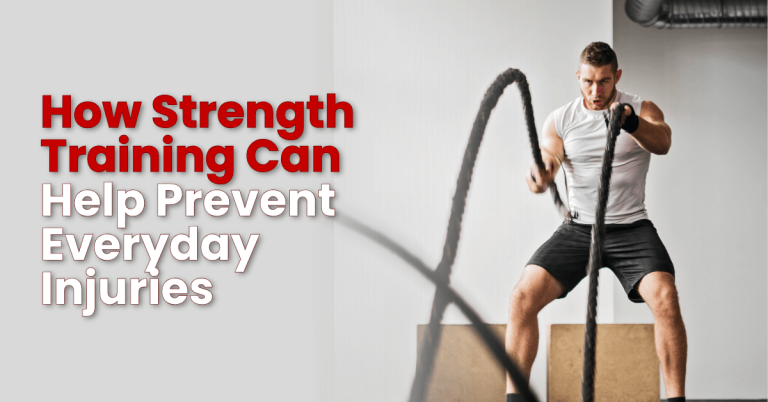
How Strength Training Can Help Prevent Everyday Injuries
Strength training has a reputation problem. People associate it with gyms, weights and athletes, not with the everyday business of not getting hurt picking up the shopping. But...
No articles match your search — try a different term or category.