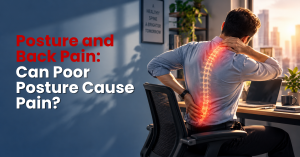
What sciatica actually is
Sciatica describes pain that travels along the path of the sciatic nerve — the largest nerve in the body, running from the lower back, through the buttock, and down the back of the leg. It isn’t a diagnosis in itself but a symptom, usually caused by irritation or compression of one of the nerve roots in the lower spine.
People searching for a chiropractor sciatica typically describe a sharp, burning or shooting pain down one leg, sometimes with numbness, tingling or a feeling of weakness. Symptoms can range from mild and occasional to severe enough to affect walking, sitting or sleeping.
Common causes of sciatica
Sciatica generally develops when a structure in the lower spine puts pressure on a nerve root. Common contributing factors include:
- A bulging or herniated disc pressing on a nearby nerve
- Degenerative changes in the spinal joints that narrow the space around a nerve
- Muscle tightness, such as in the piriformis muscle deep in the buttock, that irritates the nerve as it passes through
- Prolonged sitting, heavy lifting, or repetitive bending that places extra strain on the lower back
Sciatica can affect anyone, though it tends to become more common with age, with sedentary work, or after a specific incident such as an awkward lift or fall.
How sciatica is assessed
When you see an AHPRA-registered chiropractor for sciatica, the appointment usually starts with a detailed history — when the pain began, what it feels like, what makes it better or worse, and whether there’s any numbness or weakness. This helps rule out other possible causes of leg pain and identify likely contributing factors.
A physical assessment typically follows, which may include:
- Testing your range of motion in the lower back and hips
- Checking reflexes, muscle strength and sensation in the leg
- Specific movement tests that can help reproduce or clarify your symptoms
- Assessing posture, movement patterns and any muscle imbalances
In some cases, your chiropractor may recommend imaging or referral to your GP if there are signs that need further medical investigation, such as significant weakness, changes in bladder or bowel function, or symptoms that don’t fit the typical sciatica pattern.
How chiropractic care may help
Once assessment is complete, a chiropractor may use a combination of approaches depending on what’s contributing to your symptoms. This can include gentle spinal adjustments, soft tissue techniques to ease tight muscles such as the piriformis, and specific exercises to improve mobility and support the lower back.
Sciatica often improves gradually with the right combination of hands-on care, movement and time.
Many people also benefit from guidance on movement modifications during flare-ups — for example, adjusting how you sit, bend or lift — alongside a gradual return to normal activity as symptoms allow.
Quick tip
During a flare-up, gentle walking is often better tolerated than prolonged sitting or complete bed rest. Ask your chiropractor for guidance specific to your situation.
What to expect over time
Sciatica symptoms can settle at different rates depending on the underlying cause, severity and how long it’s been present. Some people notice improvement within a few weeks of starting care, while others with more persistent nerve irritation may need a longer, staged approach.
Your chiropractor will typically review your progress regularly, adjusting the plan as your symptoms change and working with you toward a realistic timeframe rather than promising a set outcome.
When to seek urgent care
While most sciatica settles with conservative care, it’s important to seek urgent medical attention if you experience sudden loss of bladder or bowel control, numbness in the saddle area, or rapidly worsening leg weakness — these can indicate a more serious condition requiring immediate assessment.
If you’re in Yagoona or nearby parts of South West Sydney and dealing with leg pain that seems to be coming from your lower back, a chiropractic assessment can help clarify what’s going on and outline sensible next steps for your care.
Learn more from independent sources: the Chiropractic Australia and healthdirect Australia. Information on this page is general in nature and is not a substitute for individualised advice from a registered health practitioner.
Information on this page is general in nature and is not a substitute for individualised advice from a registered health practitioner. Our practitioners are registered with AHPRA.