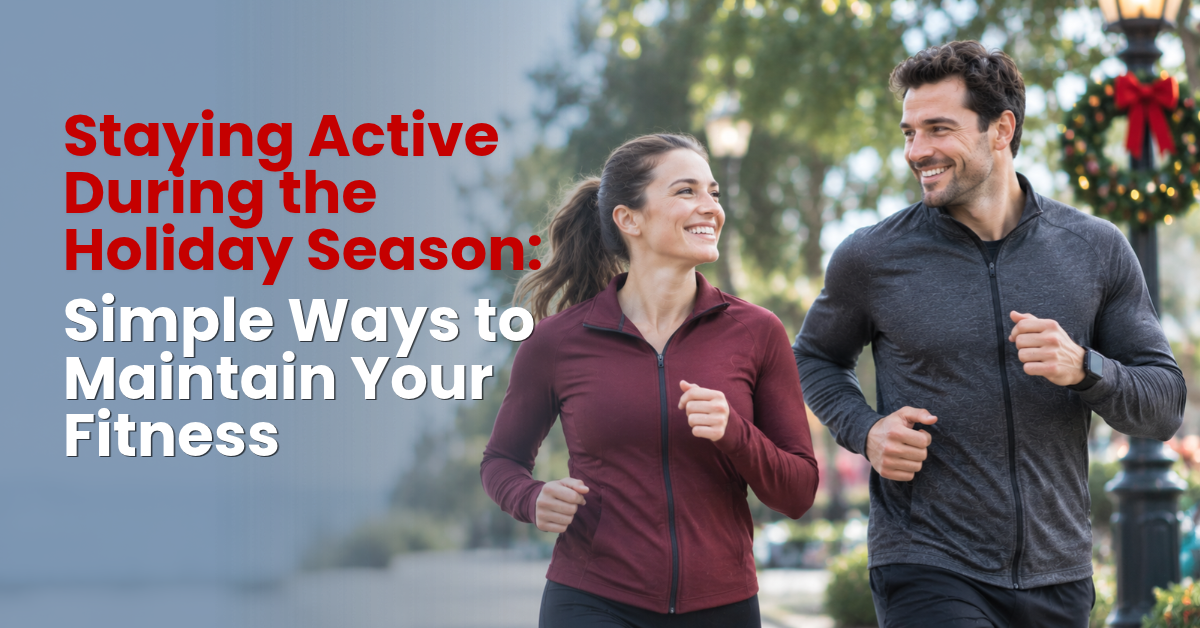
The holiday season is a time for travelling, spending time with family and friends, enjoying outdoor activities and taking a break from everyday responsibilities. However, changes to your normal schedule can make it difficult to maintain your usual exercise habits. Busy days, social commitments and travelling may leave less time for gym sessions or structured workouts.
Maintaining an active lifestyle does not mean you need to follow an intensive exercise programme throughout the holidays. Finding simple ways to incorporate exercise during holidays into your daily routine can help you maintain physical fitness, support mobility and enjoy the season without putting unnecessary pressure on yourself.
Whether you are spending time at home, travelling or enjoying summer activities, there are several ways to remain physically active without relying on a gym membership or complicated equipment.
In this guide, we explore practical ways to make exercise during holidays part of your routine, including simple exercises you can do at home and how physiotherapy can help you adapt physical activity to your individual needs.
Why Does Your Exercise Routine Change During the Holidays?
The holiday season often brings changes to everyday routines. Work schedules may become less predictable, families may travel, and social activities can take priority over regular workouts.
As a result, people may spend more time sitting, travelling or relaxing and less time participating in their usual physical activities.
Finding opportunities for exercise during holidays can help maintain consistency, even when your normal routine is disrupted.
Common reasons exercise habits change during this period include:
- Busy schedules: Family gatherings, celebrations and other commitments can reduce time available for exercise.
- Travel: Spending time away from home may make access to your usual gym or fitness facilities more difficult.
- Hot weather: Higher summer temperatures can make outdoor exercise less comfortable.
- Changes in daily habits: Sleeping patterns, meal schedules and working hours may become less consistent.
- Reduced motivation: Taking a break from regular routines can make it harder to return to physical activity.
However, missing a few gym sessions does not mean you need to stop moving completely. The aim of exercise during holidays is to maintain a reasonable level of activity through manageable and enjoyable movements.
Simple Ways to Stay Active Without a Gym
You do not need specialised equipment or a complicated workout plan to maintain your physical fitness. Many everyday activities can help you remain active while enjoying your holiday.
A flexible approach to exercise during holidays allows you to choose activities that suit your available time, location and fitness level.
1. Go for Regular Walks
Walking is one of the easiest ways to increase daily physical activity. It requires minimal equipment and can be incorporated into almost any holiday schedule.
You can walk around your neighbourhood, visit local parks, explore new destinations or take a short walk after meals.
Regular walking can help support cardiovascular fitness, maintain lower-body movement and reduce prolonged periods of sitting.
Practical walking tips:
- Start with 15–30 minutes at a comfortable pace.
- Choose cooler times of the day during summer.
- Wear comfortable shoes that provide suitable support.
- Gradually increase your walking duration as your fitness improves.
Walking is a particularly practical form of exercise during holidays because it can fit around sightseeing, shopping and family activities.
2. Try Swimming
Swimming is another enjoyable way to stay active during warmer months. It involves several major muscle groups and provides resistance through water while reducing weight-bearing demands on the joints.
Depending on your physical ability, you can try gentle swimming, water walking or other supervised water-based activities.
Swimming can support cardiovascular endurance, muscular activity and general physical conditioning.
If you have an existing injury or medical condition, consider whether swimming is appropriate before starting.
3. Include Cycling in Your Routine
Cycling can be a practical way to maintain fitness while exploring your surroundings or spending time outdoors.
You can choose a short recreational ride, cycle along designated paths or use a stationary bike if you prefer exercising indoors.
Start with a comfortable distance and avoid increasing your cycling intensity too quickly.
Including cycling as part of your exercise during holidays routine can help you remain active without needing to follow a traditional gym workout.
4. Make Everyday Activities More Active
Not every physical activity needs to feel like exercise. Small changes to your daily habits can help increase movement throughout the day.
For example:
- Walk instead of driving when the destination is nearby.
- Choose stairs instead of lifts when practical.
- Participate in outdoor games with family and friends.
- Take movement breaks during long periods of travelling.
- Explore parks, walking trails and outdoor attractions.
These small activities can make exercise during holidays easier to maintain without requiring additional time for structured workouts.
Easy Exercises to Do at Home During the Holidays
If travelling, busy schedules or hot weather make outdoor activities difficult, home workouts can provide another way to maintain physical fitness.
You do not necessarily need weights or fitness equipment. Several bodyweight exercises can target important muscle groups and support everyday movement.
Here are five exercises to consider when planning exercise during holidays.
1. Bodyweight Squats
Squats strengthen the quadriceps, glutes and other lower-body muscles.
How to perform:
- Stand with your feet shoulder-width apart.
- Keep your chest lifted and back in a comfortable position.
- Bend your hips and knees as if sitting on a chair.
- Lower yourself within a comfortable range.
- Push through your feet to return to standing.
Recommended repetitions: 10–12.
2. Wall Push-Ups
Wall push-ups are a modified exercise that targets the chest, shoulders and arms.
How to perform:
- Stand facing a wall.
- Place your hands against the wall at shoulder height.
- Step backwards slightly.
- Bend your elbows and bring your chest towards the wall.
- Push gently back to the starting position.
Recommended repetitions: 10–12.
3. Glute Bridges
Glute bridges strengthen the gluteal muscles and support hip stability.
How to perform:
- Lie on your back with your knees bent.
- Keep your feet flat on the floor.
- Tighten your abdominal muscles gently.
- Lift your hips while pushing through your heels.
- Lower slowly to the starting position.
Recommended repetitions: 10–15.
4. Standing Calf Raises
Calf raises strengthen the muscles in your lower legs and support movements involved in walking and climbing stairs.
How to perform:
- Stand upright beside a stable support.
- Slowly raise your heels off the floor.
- Balance on the balls of your feet.
- Pause briefly.
- Lower your heels with control.
Recommended repetitions: 12–15.
5. Planks
Planks challenge the abdominal muscles and help develop core stability.
How to perform:
- Position yourself on your forearms and toes.
- Keep your body aligned from your shoulders to your heels.
- Engage your abdominal muscles.
- Hold the position while breathing normally.
- Lower yourself when your technique begins to change.
Recommended duration: 15–30 seconds.
These movements can form a simple exercise during holidays routine. Start with one or two sets of each exercise and adjust the repetitions according to your fitness level.
Why Consistency Matters More Than Intensive Workouts
One of the biggest mistakes people make during the holidays is believing that they need to complete long or intense workouts to maintain their fitness.
In reality, regular physical activity is often more sustainable than occasional demanding exercise sessions.
A manageable approach to exercise during holidays can help you maintain movement habits without making fitness another source of stress during your break.
Consider these practical strategies:
- Keep sessions short: Even 15–20 minutes of activity can be a useful starting point.
- Choose enjoyable activities: Walking, swimming and cycling can make movement feel less like a formal workout.
- Stay flexible: Adjust your activity schedule around travel and social commitments.
- Avoid long periods of inactivity: Take regular movement breaks when sitting for extended periods.
- Build gradually: Return to your usual workout intensity progressively after a break.
The aim of fitness during the holidays should be to maintain healthy habits rather than achieve major performance improvements in a short period.
How to Maintain Fitness During Summer Safely
Summer provides more opportunities for outdoor activities, but higher temperatures can also affect how comfortably you exercise.
Planning your exercise during holidays around the weather and your physical abilities can help make activity more comfortable.
Keep these considerations in mind:
Choose suitable exercise times: Exercise during cooler periods, such as early morning or later in the evening.
Stay hydrated: Drink water regularly before, during and after physical activity.
Wear appropriate clothing: Lightweight, breathable clothing can make outdoor movement more comfortable.
Adjust exercise intensity: Reduce the duration or intensity of your workouts when temperatures are high.
Recognise warning signs: Stop exercising if you experience dizziness, unusual weakness, nausea or signs of overheating.
People with existing medical conditions should follow their healthcare professional’s advice when exercising in hot weather.
Adapting Exercise to Your Fitness Level and Physical Limitations
Not everyone has the same physical abilities, fitness experience or exercise requirements. Previous injuries, joint discomfort and reduced mobility can affect which activities are appropriate.
For this reason, exercise during holidays should be adapted to individual needs rather than following a routine simply because it works for someone else.
For example, someone experiencing knee discomfort may need modified squats or lower-impact activities, while someone with reduced shoulder mobility may require alternative upper-body exercises.
Consider the following principles:
- Start with movements you can perform comfortably.
- Choose low-impact activities if higher-impact exercise causes discomfort.
- Increase exercise duration and intensity gradually.
- Allow sufficient recovery between demanding sessions.
- Avoid pushing through persistent or worsening pain.
A suitable holiday exercise routine should support your physical wellbeing without aggravating existing problems.
If you have ongoing discomfort, a previous injury or difficulty performing everyday movements, professional assessment may help identify appropriate exercise options.
How Physiotherapy Can Help You Stay Active During the Holidays
Sometimes, maintaining physical activity can be challenging when movement limitations, previous injuries or muscle discomfort affect your ability to exercise.
Physiotherapy can help assess these concerns and provide guidance on suitable activities based on your individual needs.
At Next Phase Injury Therapy (NPIT), physiotherapy can support people who want to improve mobility, manage musculoskeletal discomfort and maintain an active lifestyle.
1. Assessing Movement and Physical Limitations
A physiotherapist can assess joint mobility, muscle strength, flexibility and movement patterns to identify areas that may need attention.
This can help determine which activities are suitable and whether certain exercises need modification.
Learn more about Physiotherapy at Next Phase Injury Therapy.
2. Improving Strength and Movement Control
Clinical Pilates can help develop core stability, balance, flexibility and controlled movement.
Exercises can be adapted to different fitness levels and may complement an existing holiday fitness tips routine.
Explore Clinical Pilates at NPIT.
3. Managing Muscle Tightness and Discomfort
Muscle tightness and soft-tissue discomfort can sometimes make physical activity less comfortable.
Remedial massage may be considered as part of an appropriate treatment plan to address certain soft-tissue concerns and complement other rehabilitation approaches.
Discover Remedial Massage at NPIT.
4. Supporting Joint and Spinal Movement
Chiropractic care may be considered for certain musculoskeletal concerns following an appropriate assessment.
Depending on individual needs, a practitioner can discuss suitable treatment options and whether chiropractic care is appropriate.
Learn more about Chiropractic at NPIT.
Build a Simple Holiday Fitness Routine
Maintaining physical activity does not need to take up your entire holiday. A flexible schedule can help you balance exercise, relaxation and other activities.
Here is an example of a simple weekly plan:
|
Day |
Suggested activity |
| Monday |
20-minute walk and bodyweight exercises |
|
Tuesday |
Swimming or cycling |
| Wednesday |
Gentle stretching and mobility |
|
Thursday |
Walking and strength exercises |
| Friday |
Recreational outdoor activity |
|
Saturday |
Swimming or a longer walk |
| Sunday |
Rest or gentle movement |
You can adjust this schedule according to your fitness level, available time and personal preferences.
The most important part of exercise during holidays is choosing activities that you can maintain consistently.
Combining aerobic activities, strength exercises and mobility work can help support an active lifestyle without requiring an intensive workout schedule.
Stay Active and Enjoy the Holidays with Support from NPIT
The holiday season does not mean you need to abandon your fitness routine. Simple activities such as walking, swimming, cycling and home workouts can help you maintain movement and support your physical wellbeing.
Finding practical ways to include exercise during holidays can help you maintain consistency while enjoying time away from your usual responsibilities.
However, existing injuries, reduced mobility and individual physical limitations may affect which activities are suitable.
At Next Phase Injury Therapy (NPIT), our physiotherapy team can assess your movement, identify areas that may need attention and provide guidance based on your physical needs and goals.
Whether you want to maintain your mobility, improve strength or manage an existing injury, our team can help you work towards staying active and moving comfortably.
Make movement part of your holiday routine. Contact Next Phase Injury Therapy in Yagoona to discuss your physiotherapy and physical wellbeing goals.
FAQs
How can I stay fit during the holidays?
You can maintain fitness by including exercise during holidays through activities such as walking, swimming, cycling and short home workouts. Focus on consistency rather than intensive sessions, and choose activities that fit comfortably into your schedule.
What are easy exercises to do at home?
Simple forms of exercise during holidays at home include bodyweight squats, wall push-ups, glute bridges, calf raises and planks. These exercises require minimal equipment and can be adjusted according to your fitness level.
How much exercise should I do during summer?
The World Health Organization recommends that adults aim for 150–300 minutes of moderate-intensity aerobic activity each week, alongside muscle-strengthening activities on at least two days. Your exercise during holidays routine should be adjusted to your fitness level, health needs and the weather.
Is walking enough to stay active during the holidays?
Walking is a useful form of exercise during holidays because it supports cardiovascular fitness and helps reduce prolonged periods of sitting. Combining walking with strength and mobility exercises can provide a more balanced activity routine.
Can physiotherapy help me maintain my fitness during the holidays?
Yes. Physiotherapy can help identify movement limitations, address physical discomfort and recommend suitable exercises. A physiotherapist can help adapt exercise during holidays to your individual physical abilities and fitness goals.
Refrences:
- https://www.healthdirect.gov.au/healthy-living/food-and-nutrition/drinking-water-and-your-health
- https://www.health.gov.au/topics/physical-activity/24-hour-movement-guidelines-for-all-australians/recommendations-for-adults-18-to-64-years
- https://www.healthdirect.gov.au/healthy-living/physical-activity/tips-for-getting-active
- https://www.betterhealth.vic.gov.au/health/healthyliving/exercise-safety
- https://www.healthdirect.gov.au/healthy-living/physical-activity/cardiovascular-exercise
- https://www.nhs.uk/better-health/get-active/how-to-be-more-active/
Information on this page is general in nature and is not a substitute for individualised advice from a registered health practitioner. Our practitioners are registered with AHPRA.