

_Physiotherapy vs Chiropractic Care Which One Do You Need for Your Pain__

Physiotherapy vs Chiropractic Care: Which One Do You Need for Your Pain? 

When pain starts affecting your daily life, one of the most common questions people ask is whether they need physiotherapy or chiropractic care. Both are highly effective allied health treatments, but they focus on different aspects of the body and movement. 

Understanding the difference between physiotherapy and chiropractic care can help you choose the right approach and recover faster with long-lasting results. 

Understanding the Root of Your Pain 

Pain rarely appears without a reason. It often develops due to injury, poor movement patterns, muscle weakness, joint restriction, or repetitive strain over time. 

While physiotherapists and chiropractors both treat musculoskeletal pain, they assess and manage it through slightly different lenses. In many cases, the most effective care combines both approaches. 

What Does Physiotherapy Focus On? 

Physiotherapy focuses on restoring movement, strength, and function. It is commonly used for injury rehabilitation, post-surgical recovery, chronic pain management, and performance improvement. 

A physiotherapist looks at how your body moves as a whole and identifies weaknesses, imbalances, or faulty movement patterns contributing to pain. 

Physiotherapy may be the right choice if you are experiencing: 

  • Muscle strains or tears 
  • Sports or gym-related injuries 
  • Post-surgical rehabilitation needs 
  • Tendon injuries 
  • Ongoing joint pain linked to weakness or instability 
  • Reduced mobility or stiffness affecting daily activities 

Treatment often includes: 

  • Targeted exercise programs 
  • Strength and mobility training 
  • Hands-on therapy 
  • Education to prevent re-injury 
  • Progressive rehabilitation plans 

Physiotherapy plays a key role in long-term recovery and injury prevention. 

What Does Chiropractic Care Focus On? 

Chiropractic care focuses on the relationship between the spine, joints, and the nervous system. Chiropractors assess joint movement and alignment, particularly in the spine, and how restrictions may be contributing to pain or dysfunction. 

Chiropractic care may be suitable if you are dealing with: 

  • Neck or back pain 
  • Spinal stiffness or restricted movement 
  • Headaches linked to neck tension 
  • Joint-related pain 
  • Poor posture affecting comfort or movement 


Treatment often includes: 

  • Evidence-based spinal and joint adjustments 
  • Manual joint therapy 
  • Soft tissue techniques 
  • Postural advice and movement guidance 
     

Chiropractic care aims to restore joint mobility, reduce nerve irritation, and improve overall movement efficiency. 

 Physiotherapy vs Chiropractic Care: Key Differences 

Physiotherapy typically places greater emphasis on active rehabilitation through exercise and movement retraining. Chiropractic care often prioritises joint mobility and spinal function through manual adjustments. 

However, these approaches are not opposing. They are complementary. 

Many people benefit most when both therapies are combined, especially for complex or recurring pain. 

Where Does Pilates Fit In? 

Reformer Pilates is often used alongside physiotherapy and chiropractic care to enhance recovery and prevent future injury. 

Pilates focuses on: 

  • Core strength and stability 
  • Postural control 
  • Controlled, efficient movement 
  • Injury-safe strengthening 
     

Pilates is particularly effective once pain has reduced and the body is ready to rebuild strength and resilience. 

Which One Do You Actually Need? 

The right treatment depends on: 

  • The cause of your pain 
  • How long symptoms have been present 
  • Whether movement, strength, or joint restriction is the main issue 
  • Your lifestyle, work, and activity level 
     

In many cases, the best results come from a combined approach. Addressing joint mobility, muscle strength, and movement quality together leads to better long-term outcomes than relying on one method alone. 

When to Seek Professional Advice 

H3: You should consider a professional assessment if: 

  • Pain has lasted longer than a few weeks 
  • Pain keeps returning 
  • Movement feels restricted or unstable 
  • Pain interferes with work, exercise, or sleep 
  • You are unsure which treatment is appropriate 

An accurate assessment ensures the right treatment plan from the start. 

A Collaborative Approach to Pain Management 

At Next Phase Injury Therapy, physiotherapy, chiropractic care, and Reformer Pilates work together as part of a personalised, evidence-based approach to pain and injury management. 

Our allied health team focuses on identifying the root cause of pain, restoring proper movement, and helping people return to daily life with confidence and strength. 

H3: Need Help Choosing the Right Treatment? 

If you are unsure whether physiotherapy or chiropractic care is right for your pain, a professional assessment can help guide the best path forward. 

Explore our physiotherapy, chiropractic care, and Reformer Pilates services or book an appointment with Next Phase Injury Therapy to start your recovery journey. 

References: 

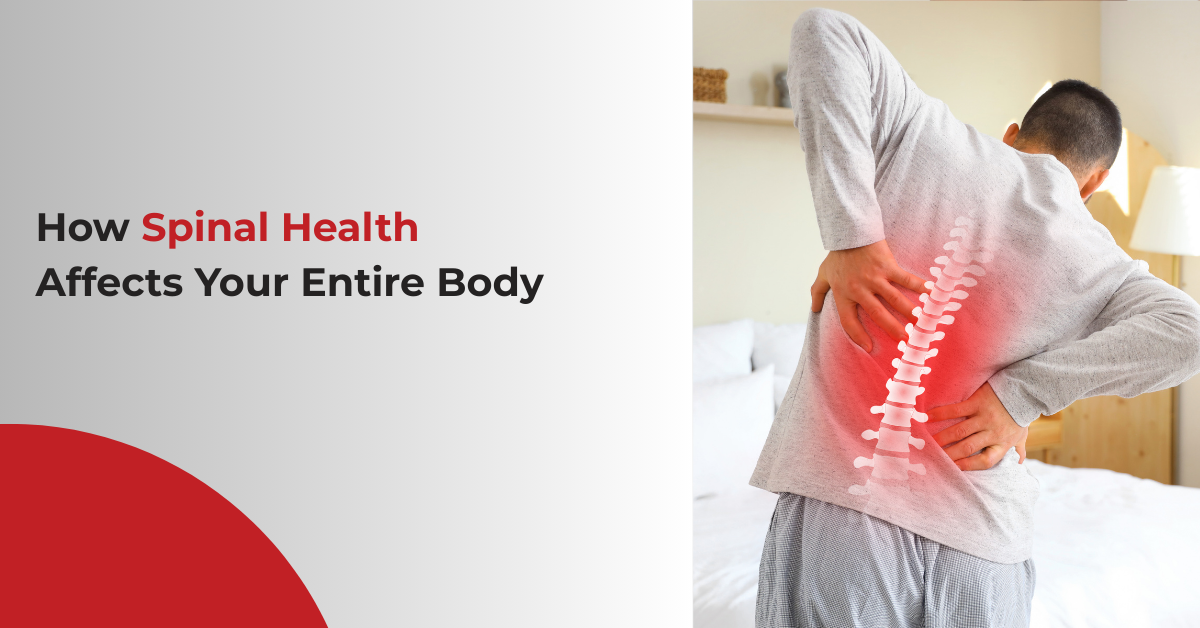
How Spinal Health Affects Your Entire Body (1)

How Spinal Health Affects Your Entire Body 

Spinal health plays a far greater role in overall wellbeing than many people realise. While back or neck pain is often the most obvious sign of a spinal issue, problems in the spine can influence how the entire body moves, functions, and feels. 

At Next Phase Injury Therapy, our physiotherapists, chiropractors, and Pilates practitioners regularly see patients experiencing pain or movement limitations that stem from underlying spinal dysfunction, even when the discomfort is felt elsewhere in the body. 

Because the spine supports posture, protects the nervous system, and allows efficient movement, even small restrictions or imbalances can have widespread effects. Understanding how spinal health affects the whole body is key to preventing pain, improving movement, and supporting long-term physical health. 

Why the Spine Is Central to Movement and Function 

The spine is more than a structural support. It is the main connection point between the brain and the body through the nervous system, allowing coordinated movement and control. 

The spinal column: 

  • Protects the spinal cord 
  • Supports upright posture 
  • Allows controlled movement and flexibility 
  • Distributes load during daily activities 
  • Enables coordination between muscles and joints 

When spinal movement becomes restricted or poorly aligned, the body often compensates by overusing other muscles or joints. Over time, these compensations may lead to pain, stiffness, and reduced function beyond the spine itself. 

How Spinal Issues Can Affect Areas Outside the Back 

Pain is not always felt at the source of the problem. Spinal dysfunction can influence other parts of the body in subtle but significant ways, especially when movement patterns change over time. 

Neck and Upper Back Restrictions 

Reduced movement in the cervical or upper thoracic spine may contribute to: 

  • Headaches 
  • Shoulder pain 
  • Arm discomfort or weakness 
  • Reduced range of motion 

Long periods of sitting, screen use, or poor posture can place additional strain on the neck and upper back, increasing the risk of these symptoms. 

Lower Back and Pelvic Dysfunction 

Restricted movement or instability in the lower spine can affect: 

  • Hip mobility 
  • Hamstring flexibility 
  • Knee pain 
  • Reduced tolerance for walking, lifting, or exercise 

The lower back and pelvis play a critical role in transferring force between the upper and lower body. When this area does not function efficiently, other joints may absorb excess load, increasing the risk of pain and injury. 

Postural Imbalances 

Spinal misalignment can alter posture, leading to: 

  • Rounded shoulders 
  • Forward head position 
  • Uneven weight distribution 
  • Increased muscle fatigue 

Over time, these postural changes may contribute to chronic discomfort, reduced physical performance, and a higher risk of recurring injuries. 

The Role of the Nervous System 

The spine houses the spinal cord, which carries messages between the brain and the rest of the body. These signals control movement, coordination, and muscle activation. 

When spinal joints are stiff, irritated, or not moving well, they may affect how efficiently these signals are transmitted. While not all pain is nerve-related, spinal health plays an important role in maintaining clear communication between the brain, muscles, and joints, supporting smoother, more efficient movement. 

How Poor Spinal Health Develops Over Time 

Spinal issues rarely appear suddenly. They often develop gradually due to a combination of factors, including: 

  • Prolonged sitting or poor workstation setup 
  • Repetitive movements at work or during sport 
  • Lack of regular movement or exercise 
  • Inadequate strength or mobility 
  • Previous injuries that were not fully rehabilitated 

Without appropriate intervention, these factors may lead to stiffness, weakness, and recurring pain that affects daily activities and quality of life. 

How Allied Health Care Supports Spinal Health 

Maintaining or restoring spinal health often requires more than rest or temporary symptom relief. A comprehensive approach focuses on improving movement, strength, and long-term function. 

Chiropractic Care 

Chiropractic care focuses on restoring joint mobility and improving spinal movement. Evidence-based adjustments and manual therapy can help reduce stiffness, improve alignment, and support better overall spinal function. 

Physiotherapy 

Physiotherapy addresses muscle strength, movement patterns, and functional control. Treatment often includes targeted exercises, manual therapy, and education to support the spine and reduce the risk of recurring pain. 

Reformer Pilates 

Reformer Pilates supports spinal health by improving core strength, posture, and movement control. It is particularly effective for building long-term stability and resilience once pain has settled. 

When combined, these services support both symptom relief and long-term spinal health. 

Why Treating the Spine Can Improve Whole-Body Health 

Improving spinal movement and control may lead to: 

  • Reduced pain in multiple areas of the body 
  • Better posture and balance 
  • Improved flexibility and strength 
  • Greater comfort during daily activities 
  • Lower risk of recurring injuries 

A healthy spine allows the body to move more efficiently and share load evenly across muscles and joints. 

When to Seek Professional Support 

You may benefit from a professional assessment if: 

  • Pain persists or keeps returning 
  • Movement feels stiff or restricted 
  • Posture has noticeably changed 
  • Pain affects work, exercise, or sleep 
  • You are unsure what is causing your symptoms 

Early assessment often leads to faster recovery and better long-term outcomes. 

A Whole-Body Approach to Spinal Health 

At Next Phase Injury Therapy, spinal health is approached as part of a complete movement system. Physiotherapy, chiropractic care, and Reformer Pilates work together to address pain, restore movement, and support long-term physical wellbeing for our local community. 

Rather than focusing on symptoms alone, care is tailored to identify underlying causes and improve how the body functions as a whole. 

Looking After Your Spine Starts With the Right Guidance 

If spinal discomfort or movement limitations are affecting your quality of life, a personalised assessment can help identify the cause and guide effective treatment. 

Explore our physiotherapy, chiropractic care, and Reformer Pilates services, or book an appointment with Next Phase Injury Therapy to support your spinal health and overall movement. 

References: 

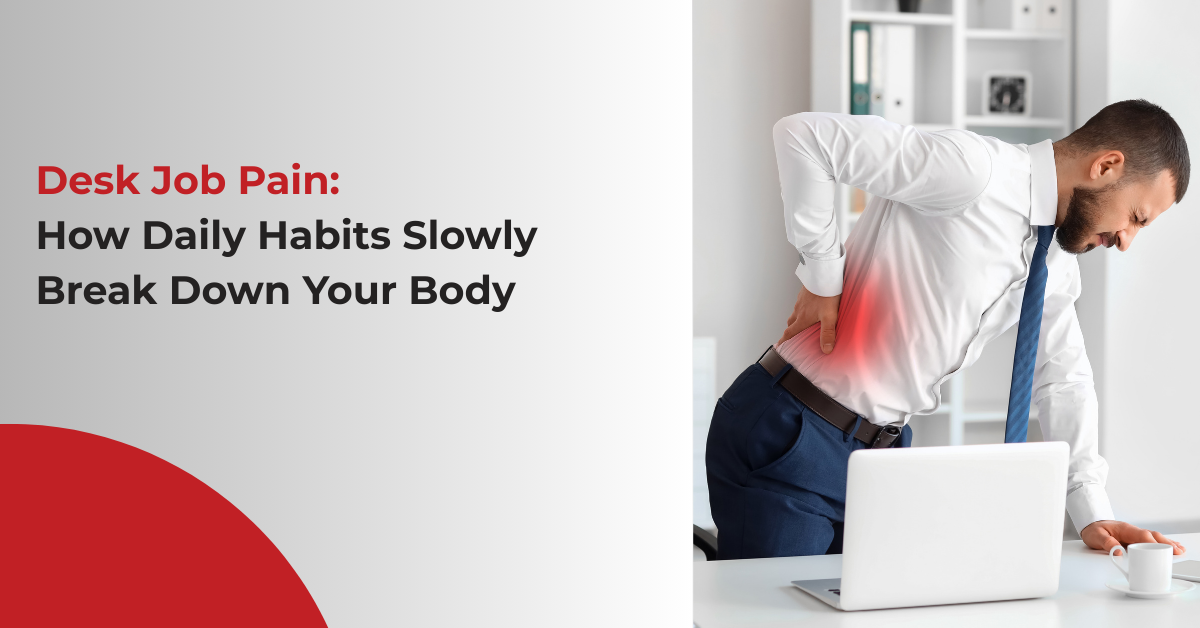
desk job pain

Desk Job Pain: How Daily Habits Slowly Break Down Your Body 

Spending long hours at a desk may feel harmless, but over time, small daily habits can place significant stress on the body. Many people associate desk jobs with mild stiffness or occasional aches, yet prolonged sitting and poor movement habits can gradually contribute to widespread pain and reduced physical function. 

At Next Phase Injury Therapy, our physiotherapists, chiropractors, and Pilates practitioners regularly see patients whose neck, back, and joint pain can be traced back to prolonged desk work and repetitive postures. 

Understanding how desk-based habits affect the body is the first step toward preventing long-term discomfort and maintaining healthy movement. 

Why Desk Jobs Place Unique Stress on the Body 

The human body is designed to move regularly. Sitting for extended periods places the spine and muscles in sustained positions that reduce circulation, limit joint movement, and increase muscular strain. 

Common features of desk-based work include: 

  • Prolonged sitting 
  • Limited spinal movement 
  • Repetitive keyboard and mouse use 
  • Sustained neck and shoulder postures 
  • Reduced core and hip engagement 

Over time, these factors may contribute to stiffness, weakness, and pain that extends beyond the desk itself. 

How Daily Desk Habits Affect Different Areas of the Body 

Pain from desk work often develops gradually and may not be felt immediately at the source of the problem. 

Neck and Upper Back Strain 

Forward head posture and rounded shoulders are common during desk work and may lead to: 

  • Neck stiffness or pain 
  • Tension headaches 
  • Shoulder discomfort 
  • Reduced neck mobility 

Extended screen time and poor workstation setup can increase strain on the cervical spine and upper back muscles. 

Lower Back and Hip Tightness 

Sitting for long periods places sustained load on the lower back and reduces hip mobility, which may result in: 

  • Lower back pain or stiffness 
  • Tight hip flexors 
  • Reduced spinal flexibility 
  • Discomfort when standing or walking after sitting 

Over time, limited movement in the hips can increase strain on the lumbar spine. 

Wrist, Elbow, and Forearm Discomfort 

Repetitive hand and arm movements may contribute to: 

  • Wrist pain or stiffness 
  • Elbow discomfort 
  • Forearm tightness 
  • Reduced grip strength 

Poor desk ergonomics and prolonged keyboard or mouse use can increase stress on these joints and muscles. 

Postural Changes That Develop Over Time 

Poor posture is not usually intentional it develops as the body adapts to repeated positions. Common postural changes linked to desk jobs include: 

  • Forward head position 
  • Rounded shoulders 
  • Increased upper back curvature 
  • Reduced spinal extension 

These changes can increase muscle fatigue and reduce the body’s ability to move efficiently. 

The Role of Reduced Movement and Muscle Imbalance 

Sitting for extended periods reduces activation of key muscle groups, particularly the core and gluteal muscles. Over time, this may lead to: 

  • Reduced core stability 
  • Weak gluteal muscles 
  • Increased reliance on passive structures such as ligaments and joints 
  • Greater risk of strain during everyday movements 

A lack of regular movement breaks compounds these effects. 

How Desk Job Pain Develops Gradually 

Desk-related pain often builds slowly due to: 

  • Long hours without movement breaks 
  • Poor workstation setup 
  • Inadequate strength or mobility training 
  • High workloads and stress 
  • Previous injuries that were not fully rehabilitated 

Because symptoms develop gradually, they are often ignored until pain begins to interfere with work, exercise, or sleep. 

How Allied Health Care Can Help Desk Job Pain 

Managing desk-related pain requires more than short-term relief. A targeted, movement-based approach helps address the underlying causes. 

Physiotherapy 

Physiotherapy focuses on improving movement, posture, and strength. Treatment may include manual therapy, postural education, and tailored exercises to support desk-based workers. 

Chiropractic Care 

Chiropractic care aims to restore spinal mobility and reduce joint stiffness that develops from prolonged sitting and repetitive postures. 

Remedial Massage 

Remedial massage may help relieve muscle tension and soft tissue tightness that commonly builds up from prolonged sitting and repetitive desk-based tasks. It can support recovery by improving circulation, reducing muscular discomfort, and complementing active treatments such as physiotherapy and chiropractic care. 

Reformer Pilates 

Reformer Pilates helps build core strength, postural awareness, and movement control, supporting long-term resilience for desk-based lifestyles. 

Simple Daily Habits That Support Your Body at Work 

Small changes can make a meaningful difference, including: 

  • Taking regular movement breaks 
  • Adjusting screen height and chair setup 
  • Changing sitting positions throughout the day 
  • Incorporating strength and mobility exercises 
  • Staying physically active outside work hours 

Consistency matters more than perfection. 

When to Seek Professional Support 

You may benefit from professional guidance if: 

  • Pain persists or worsens 
  • Stiffness limits daily movement 
  • Headaches or arm pain develop 
  • Work productivity is affected 
  • You are unsure how to manage symptoms safely 

Early support can help prevent long-term injury. 

A Whole-Body Approach to Desk Job Pain 

At Next Phase Injury Therapy, desk-related pain is addressed through a whole-body approach. Physiotherapy, chiropractic care, and Reformer Pilates work together to restore movement, improve posture, and support long-term physical wellbeing for our local community. 

Supporting Your Body Starts With the Right Guidance 

If desk work is contributing to ongoing pain or stiffness, a personalised assessment can help identify contributing factors and guide effective treatment. 

Explore our physiotherapy, chiropractic care, Remedial Massage, and Reformer Pilates services, or book an appointment with Next Phase Injury Therapy to support your body and long-term movement health. 

Conclusion

Desk job pain is often caused by prolonged sitting, poor posture, and inefficient movement throughout the day. Over time, these habits can lead to stiffness, muscle tension, and recurring discomfort in the neck, shoulders, back, and hips.

Addressing the root causes through posture correction, targeted exercises, and movement retraining helps reduce pain, improve mobility, and prevent long-term injury. Combining ergonomic adjustments, physiotherapy, and lifestyle strategies empowers you to work comfortably and maintain long-term musculoskeletal health.

FAQs

1. Why does sitting at a desk cause pain?
Prolonged sitting can strain muscles and joints, reduce circulation, and create stiffness, leading to discomfort in the neck, shoulders, back, and hips.

2. How can I improve posture at work?
Adjust chair height, monitor level, and desk setup. Engage core muscles, keep feet flat, and take regular breaks to move and stretch throughout the day.

3. What exercises help relieve desk job pain?
Gentle stretches for the neck, shoulders, and back, along with strengthening exercises for the core and upper back, reduce tension and improve stability.

4. Can ergonomic equipment prevent pain?
Yes. Ergonomic chairs, adjustable desks, and supportive accessories help maintain proper alignment, reduce strain, and minimize recurring discomfort.

5. How often should I take breaks from sitting?
Aim to stand, walk, or stretch for 2–5 minutes every 30–60 minutes to relieve muscle tension and improve circulation.

6. When should I see a professional for desk job pain?
If pain persists despite self-care, limits movement, or affects work performance, a physiotherapist or allied health professional can assess and provide targeted treatment.

References

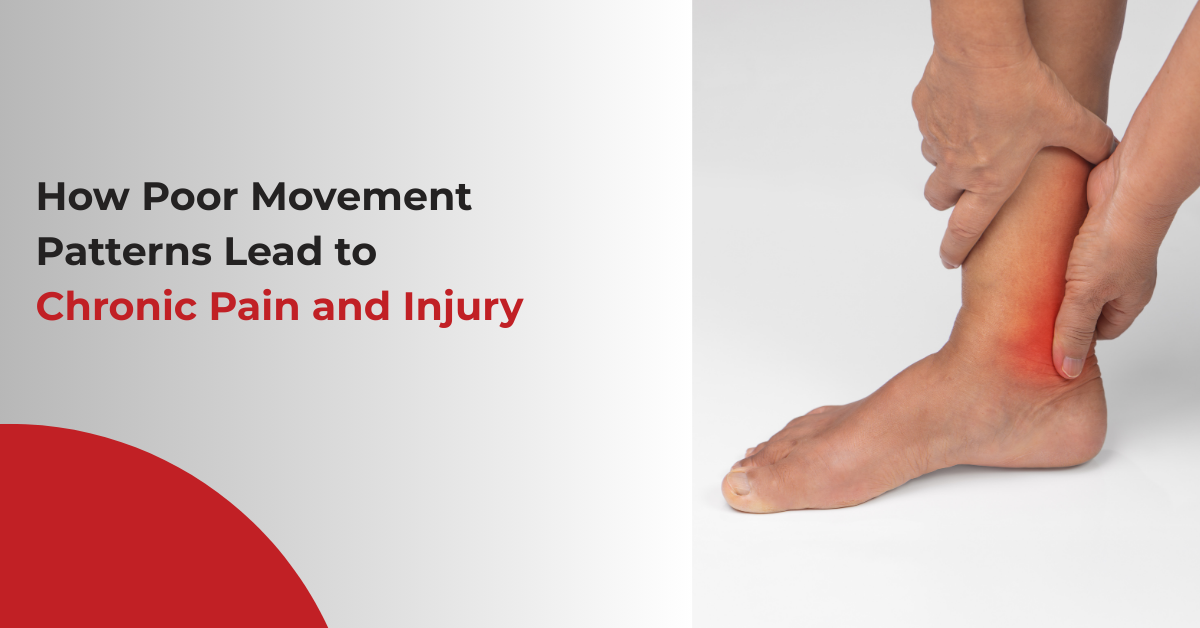
functional movement

Improve Functional Movement to Prevent Chronic Pain and Injury

Pain does not always start with a sudden injury. In many cases, it develops slowly due to the way the body moves during everyday activities. Sitting, walking, lifting, training, or working with inefficient functional movement patterns can place repeated stress on muscles and joints, eventually leading to chronic pain or injury.

Understanding how functional movement affects the body is an important step in preventing ongoing discomfort and improving long-term musculoskeletal health.

What Are Movement Patterns? 

Functional movement patterns are the habitual ways your body performs common actions such as bending, reaching, squatting, walking, or rotating. These patterns are shaped by posture, strength, flexibility, coordination, and previous injuries.

When functional movement is efficient, the body distributes load evenly across muscles and joints. When it is inefficient, certain areas are overloaded while others are underused. Over time, this imbalance can contribute to pain and injury.

How Poor Movement Patterns Develop 

Poor movement patterns often develop gradually and may go unnoticed for years. Common contributing factors include: 

  • Prolonged sitting and sedentary habits 
  • Poor posture at work or during daily activities 
  • Previous injuries that were not fully rehabilitated 
  • Muscle weakness or imbalance 
  • Reduced joint mobility 
  • Repetitive movements at work or during exercise 

Once established, these patterns can become automatic, even if they are contributing to discomfort. 

How Poor Functional Movement Leads to Chronic Pain

Chronic pain often results from repeated stress rather than a single event. When functional movement is inefficient, the same tissues are exposed to excessive load again and again.

Increased Joint Stress 

Restricted or poorly controlled functional movement can place excessive pressure on joints. For example, limited hip mobility may increase strain on the lower back or knees during walking or lifting. Over time, this added stress can contribute to joint irritation, stiffness, and pain.

Muscle Overuse and Fatigue 

When certain muscles are required to compensate for weak or inactive areas, poor functional movement can cause them to become overworked. This may lead to muscle tightness, fatigue, or recurring strains. Common examples include neck and shoulder tension related to posture issues or lower back pain linked to weak core support.

Reduced Load Tolerance 

If the body is not moving efficiently through proper functional movement, its ability to tolerate physical load is reduced. Everyday tasks such as lifting groceries, exercising, or even standing for long periods can begin to feel painful. This often leads to activity avoidance, which further weakens the body and perpetuates the cycle of pain.

The Link Between Movement Patterns and Injury 

Injury risk increases when the body cannot absorb or control forces effectively. Poor movement patterns can compromise stability, coordination, and balance. 

Repetitive Strain Injuries 

Repetitive movements performed with poor mechanics can irritate tendons and soft tissues. Over time, this may lead to conditions such as tendon pain, shoulder impingement, or lower back strain. 

Acute Injuries 

Inefficient movement patterns can also increase the risk of sudden injuries. A lack of control or stability during sport or daily activities can result in muscle tears, joint sprains, or flare-ups of existing conditions. 

Identifying Poor Movement Patterns 

Many people are unaware that the way they move is contributing to their pain. Signs that poor movement patterns may be present include: 

  • Pain that returns despite rest 
  • Stiffness or discomfort after sitting or working 
  • Difficulty performing certain movements without pain 
  • Feeling unstable or weak during exercise 
  • Pain that shifts between different areas of the body 

A professional assessment can help identify movement restrictions, muscle imbalances, and faulty movement habits that may be contributing to symptoms. 

How Physiotherapy Can Help Improve Movement 

Physiotherapy focuses on assessing how the body moves as a whole. Rather than treating pain in isolation, physiotherapists look for underlying movement issues that may be contributing to symptoms. 

Physiotherapy Assessment and Treatment 

Physiotherapy may involve: 

  • Detailed movement and postural assessment 
  • Identification of strength deficits and mobility restrictions 
  • Targeted exercise programs to retrain movement 
  • Hands-on therapy to improve mobility 
  • Education to support long-term injury prevention 

At Next Phase Injury Therapy, physiotherapy is used to restore efficient movement, improve strength, and support lasting recovery. 

The Role of Chiropractic Care in Movement Health 

Chiropractic care focuses on joint and spinal movement. Restricted joint mobility can alter movement patterns and increase stress on surrounding tissues. 

Supporting Joint Function 

Chiropractic care may help by: 

  • Improving spinal and joint mobility 
  • Reducing stiffness that limits movement 
  • Supporting posture and alignment 
  • Enhancing overall movement efficiency 

At Next Phase Injury Therapy, chiropractic care is used alongside movement-based rehabilitation to help the body move more freely and comfortably. 

Where Pilates Fits Into Movement Correction 

Reformer Pilates is often used as part of a rehabilitation or injury prevention program. Pilates focuses on controlled movement, core stability, and posture, which are essential for maintaining healthy movement patterns. 

Benefits of Pilates for Movement Retraining 

Pilates can help by: 

  • Improving core strength and control 
  • Enhancing postural awareness 
  • Supporting balanced muscle activation 
  • Reducing strain on joints during movement 

Pilates is particularly effective once pain has settled and the focus shifts to rebuilding strength and resilience. 

A Whole-Body Approach to Preventing Chronic Pain 

Addressing poor movement patterns requires more than treating symptoms. A combined approach that focuses on mobility, strength, and movement quality is often the most effective way to prevent chronic pain and injury. 

At Next Phase Injury Therapy, physiotherapy, chiropractic care, and movement-based rehabilitation work together to address the root cause of pain rather than just the symptoms. 

When to Seek Professional Help 

You may benefit from a professional assessment if: 

  • Pain has persisted for several weeks 
  • Injuries keep recurring 
  • Movement feels restricted or unstable 
  • Pain interferes with work, exercise, or daily activities 
  • You are unsure why pain keeps returning 

Early intervention can prevent minor movement issues from developing into long-term problems. 

Improving the Way You Move for Long-Term Health 

Chronic pain and injury are often the result of how the body moves over time. By identifying and correcting poor movement patterns, it is possible to reduce pain, improve function, and lower the risk of future injury. 

If you are experiencing ongoing discomfort or want to move better with confidence, a tailored assessment can help guide the right approach to recovery and long-term wellbeing. 

Conclusion

Chronic pain and injury often result from inefficient movement over time rather than a single event. By identifying and correcting poor movement patterns, you can reduce stress on muscles and joints, improve function, and lower the risk of future injury.

A whole-body approach including physiotherapy, chiropractic care, and targeted exercise addresses the root cause of discomfort rather than just the symptoms. Early assessment and intervention support lasting recovery, help restore strength and stability, and empower you to move safely and confidently in daily life.

Focusing on improving how your body moves is essential for long-term musculoskeletal health, injury prevention, and overall wellbeing.

FAQs

1. What is functional movement and why does it matter?
Functional movement refers to how your body performs daily actions efficiently. Proper movement reduces stress on joints, prevents injury, and improves overall physical performance.

2. How do poor movement patterns cause pain?
Inefficient movement places repeated stress on muscles and joints. Over time, this leads to stiffness, fatigue, and recurring injuries if not addressed through assessment and correction.

3. Can physiotherapy help improve movement?
Yes. Physiotherapy assesses posture, strength, and flexibility, then uses targeted exercises and hands-on therapy to restore balanced movement and reduce discomfort.

4. How does muscle imbalance affect the body?
When some muscles are overactive and others weak, joints lose stability. This imbalance increases strain, fatigue, and the risk of recurring aches or injuries during activity.

5. What role does Pilates play in recovery?
Pilates strengthens the core, improves posture, and retrains movement patterns. It helps balance muscles, reduce joint strain, and enhance body control for long-term function.

6. When should I see a professional for movement issues?
Seek assessment if pain persists, keeps returning, limits activity, or feels unstable. Early intervention helps prevent chronic problems and improves long-term mobility.

References: 

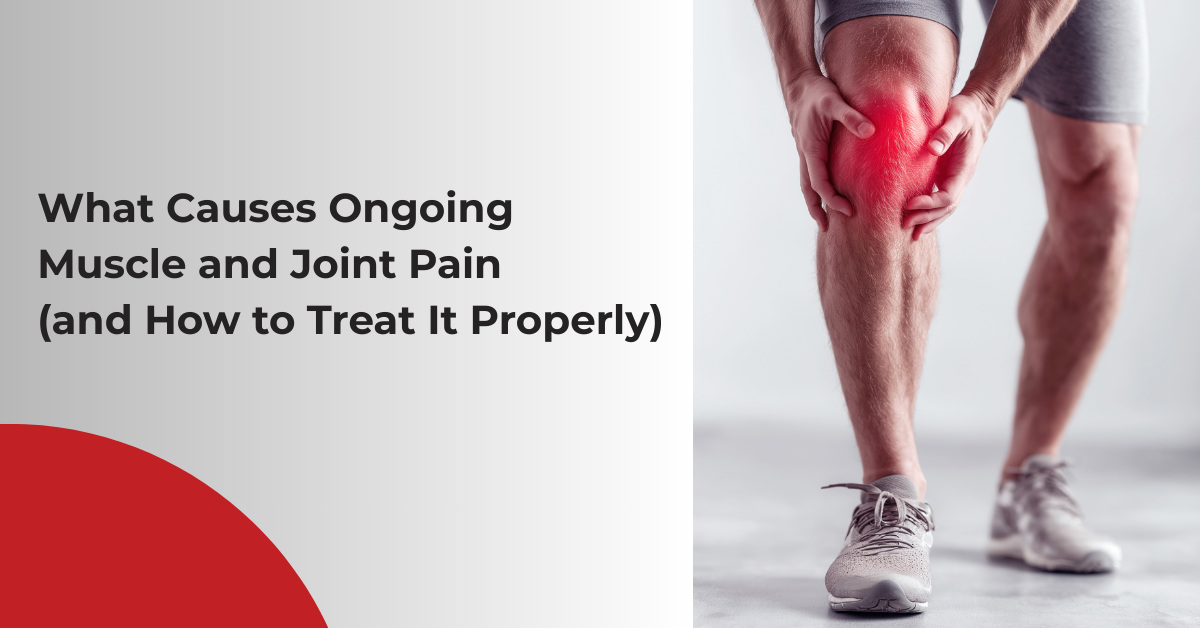
Ongoing Muscle and Joint Pain

Why Muscle and Joint Pain Persists and How to Treat It

Muscle and joint pain is incredibly common. For many people, it starts as a mild ache after work, exercise, or an old injury. Over time, that discomfort can develop into ongoing muscle and joint pain that keeps returning, limits movement, or interferes with daily life.

Chronic Musculoskeletal Pain is not something you should simply push through. In most cases, it is your body signalling that something has not healed properly or is not functioning as it should.

Understanding why muscle and joint pain becomes ongoing is the first step toward treating it effectively.

Why Muscle and Joint Pain Becomes Ongoing 

Short-term pain after activity or injury is a normal part of the healing process. However, when pain lasts for weeks or months, it often develops into ongoing muscle and joint pain, where there is an underlying cause that needs to be addressed.

Common Causes of Persistent Muscle and Joint Pain

CauseExplanation
Poor Movement PatternsRepetitive postures or incorrect technique
Old Injury CompensationsWeakness or restricted mobility from unresolved injuries
Muscle ImbalancesCertain muscles overworked, others underactive
Joint RestrictionsLimited joint motion driving pain elsewhere
Overuse & Repetitive StrainTissues overloaded faster than they can recover

Pain Is Not Always Felt at the Source 

One of the most confusing aspects of Chronic Musculoskeletal Pain is that the painful area is not always the root of the problem.

For example:

Hip restrictions may contribute to lower back pain
Poor posture can lead to shoulder or neck pain
Weak glute muscles can increase stress on the knees

This is why treating only the sore area often provides temporary relief. A full assessment of how the body moves is essential to identify the true cause of ongoing muscle and joint pain.

Why Quick Fixes Rarely Solve Ongoing Pain 

Many people rely on pain medication, rest, massage alone, or heat therapy to manage Chronic Musculoskeletal Pain. While these approaches can reduce symptoms temporarily, they do not correct the underlying issue.

Without addressing movement quality, strength deficits, and joint mechanics, ongoing muscle and joint pain often returns and sometimes becomes more frequent or more intense.

Long-term recovery from Chronic Musculoskeletal Pain requires more than short-term symptom relief.

How Ongoing Muscle and Joint Pain Should Be Treated 

Effective treatment for Chronic Musculoskeletal Pain focuses on both reducing pain and preventing it from returning.

Thorough Assessment 

Identifying the cause of Chronic Musculoskeletal Pain begins with assessing posture, movement patterns, joint mobility, muscle strength, and previous injury history.

Targeted Hands-On Therapy 

Hands-on treatment helps reduce the pain, restore movement, and improve joint and soft tissue function.

Strength and Movement Rehabilitation 

Rebuilding strength in the right muscles is essential for managing Chronic Musculoskeletal Pain. Specific exercises restore balance, improve control, and protect joints from future injury.

Core Stability and Postural Control 

A strong and well-coordinated core provides the foundation for efficient movement. Structured exercise programs are highly effective in improving stability and reducing Chronic Musculoskeletal Pain.

Education and Prevention 

Learning how to move, train, and load the body correctly helps prevent ongoing muscle and joint pain from returning and allows people to manage their condition with confidence.

When to Seek Professional Help 

You should consider seeing a qualified health professional if:

  • Ongoing muscle and joint pain lasts longer than a few weeks
  • Chronic Musculoskeletal Pain keeps returning despite rest
  • Movement feels stiff, unstable, or restricted
  • Pain interferes with work, exercise, or sleep
  • You rely on pain medication to function

Early assessment and treatment of Chronic Musculoskeletal Pain often lead to faster recovery and better long-term outcomes.es. 

Need Help With Ongoing Muscle or Joint Pain? 

If ongoing muscle and joint pain has been lingering, returning, or affecting your daily activities, a professional assessment can help identify the root cause and guide effective treatment.

At Next Phase Injury Therapy, our allied health team takes a personalised, evidence-based approach to ongoing muscle and joint pain management and injury rehabilitation, focusing on long-term results rather than quick fixes.

Explore our physiotherapy, chiropractic care, remedial massage, and Reformer Pilates services, or book an appointment to take the next step toward moving with confidence.

FAQs

1. What causes pain to keep returning in muscles and joints?
Recurring discomfort usually comes from weak muscles, poor posture, or unhealed injuries, which can place repeated stress on joints and surrounding tissues over time.

2. How do movement patterns affect joint health?
Repetitive or incorrect movements can overload muscles and joints, reduce stability, and gradually lead to stiffness, discomfort, and limited range of motion.

3. Can old injuries lead to long-term issues?
Yes, injuries that weren’t fully rehabilitated can leave weakness or altered movement patterns, causing the body to compensate and prolong discomfort.

4. Why does pain sometimes appear away from the injury site?
Limited mobility or muscle imbalances can make other areas of the body work harder, causing secondary pain in joints, back, shoulders, or knees.

5. Do rest and medication fully resolve persistent pain?
Rest and medication relieve symptoms temporarily, but without addressing strength, movement, and posture, the problem often returns or worsens over time.

6. How can long-term relief be achieved?
A combination of thorough assessment, hands-on therapy, strength training, posture correction, and education helps improve movement and reduce recurring pain.

Conclusion

Persistent, ongoing muscle is rarely random it almost always stems from underlying structural, neuromuscular, or biomechanical factors. Effective management requires a comprehensive approach, including thorough assessment, targeted hands-on therapy, strength and movement rehabilitation, and movement retraining.

Early professional intervention for muscle and joint pain can improve recovery outcomes, reduce the risk of recurrence, and help individuals return to daily activities, work, and exercise with confidence. By addressing the root cause rather than just the symptoms, long-term relief becomes achievable.

References: 

npit-business-2551-scaled

Hijama for Men’s Health: A Natural Path to Strength & Vitality

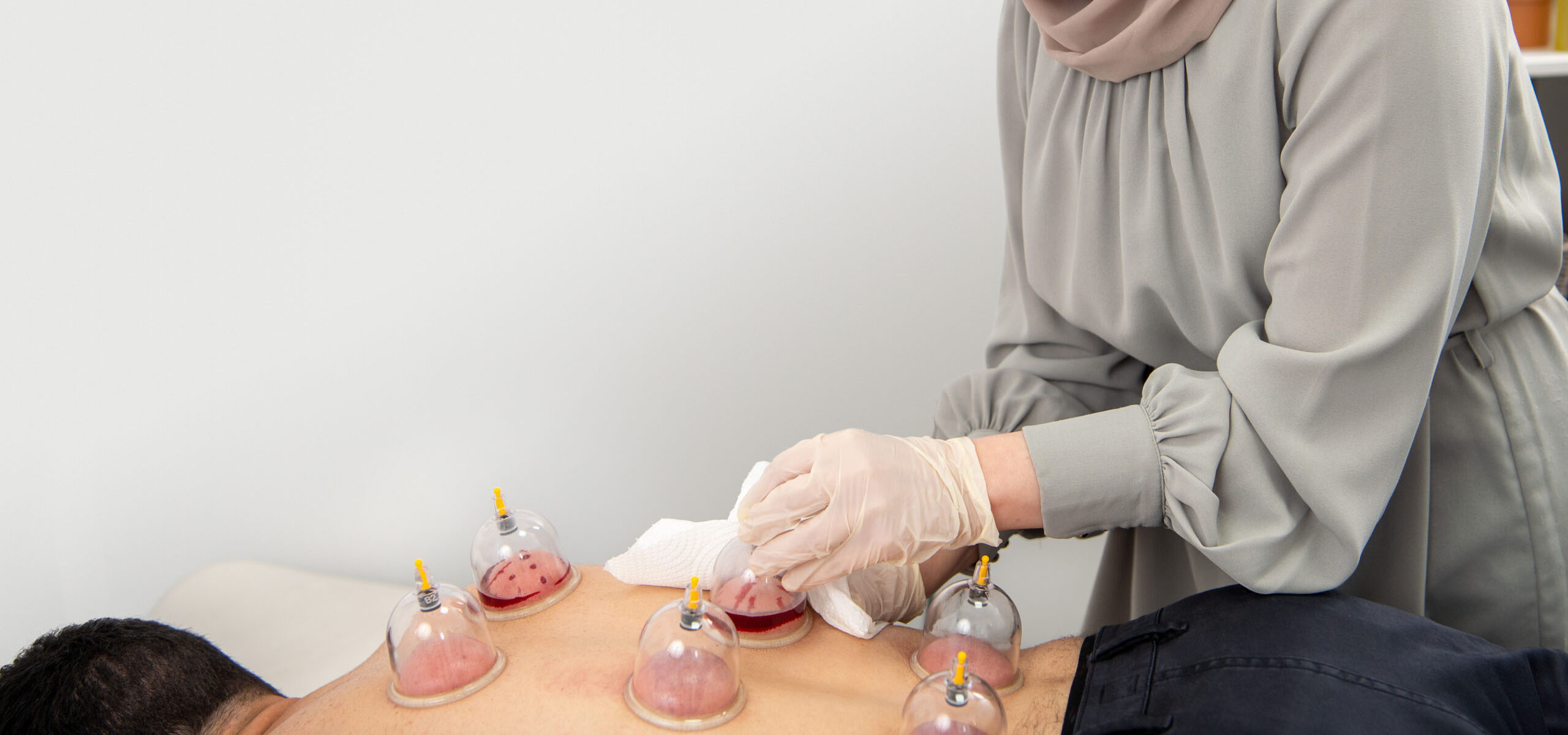
Hijama, also known as wet cupping therapy, is a time-tested healing method that helps detoxify the body, improve circulation, and restore hormonal balance. At Next Phase Injury Therapy Yagoona, we offer Hijama treatments tailored to support men’s unique physical and emotional health needs in a safe, professional, and private setting.

How Hijama Supports Men’s Health

In today’s world, many men struggle with stress, poor sleep, low energy, hormonal imbalances, and even sexual health issues. Hijama is a natural, medication-free approach that can help men feel stronger, healthier, and more in control of their wellbeing.

Benefits of Hijama Therapy for Men

🔸 Boosts Testosterone Levels

Hijama stimulates blood flow and glandular function, helping to support natural testosterone production and overall hormonal health.

🔸 Relieves Stress & Mental Fatigue

By releasing physical and emotional tension, Hijama can help men cope better with stress, anxiety, and burnout.

🔸 Increases Energy & Performance

Cleansing the blood and stimulating circulation leads to improved stamina, focus, and physical performance.

🔸 Reduces Muscle Pain & Inflammation

Hijama relieves chronic back pain, stiffness, and inflammation—especially in men with physically demanding lifestyles.

💡 Hijama for Erectile Dysfunction

Erectile dysfunction (ED) is often linked to poor blood circulation, stress, and hormonal imbalance—all of which Hijama directly targets.

How Hijama Helps ED:

🔄 Improves Blood Flow to the pelvic region

🧠 Reduces stress and anxiety, which often impact performance

💪 Stimulates hormonal regulation, supporting natural libido

🔬 Helps remove toxins and blockages that impair function

Many men report improved function and renewed confidence after a course of Hijama sessions, especially when combined with healthy lifestyle changes.

Why Choose NPIT Yagoona?

✅ Certified male and female practitioners

✅ Private, clean treatment rooms

✅ Evidence-informed care in a clinical setting

✅ Open 7 days a week, including weekends

✅ Online bookings available

Book Your Hijama Session Today

Whether you’re looking to improve your overall health or address issues like erectile dysfunction, our team is here to help you restore your energy, confidence, and vitality.

📍 Next Phase Injury Therapy – Yagoona

444 Hume Highway, Yagoona NSW 2199

📲 Book Now Online

1000089906

Wood Therapy at Next Phase Injury Therapy Yagoona: Sculpt, Tone & Detox Naturally

What is Wood Therapy?

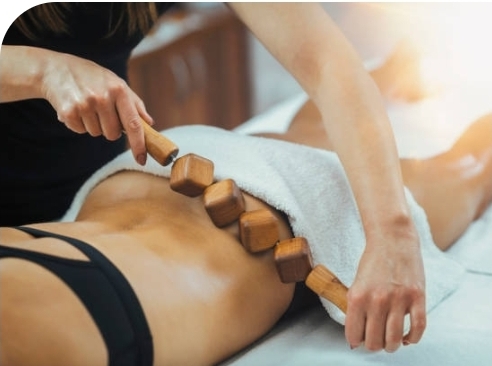
Wood Therapy, or Maderoterapia, is a holistic, non-invasive body contouring technique that employs specially designed wooden tools to massage and sculpt the body. This treatment aims to reduce cellulite, improve circulation, and promote lymphatic drainage, leading to a more toned and rejuvenated appearance.

Benefits of Wood Therapy

Reduces Cellulite and Fat Deposits: Breaks down stubborn fat and smoothens the skin.

Enhances Lymphatic Drainage: Promotes detoxification and reduces water retention.

Improves Blood Circulation: Boosts oxygen supply to tissues, enhancing skin health.

Tones and Tightens Skin: Firms up sagging areas for a more youthful look.

Relieves Muscle Tension: Alleviates stress and relaxes the muscles.

How Does It Work?

During a session, therapists use various wooden instruments, such as rollers and cups, to apply targeted pressure on specific body areas. The rhythmic movements stimulate the lymphatic system, break down fat deposits, and contour the body naturally.

Target Areas for Treatment

Thighs and Buttocks: Reduces cellulite and firms the skin.

Abdomen and Waist: Sculpts the midsection and enhances muscle tone.

Arms: Tones flabby arms and improves skin elasticity.

Back and Flanks: Relieves tension and contours the back.

Face: (Using specialized tools) Enhances facial contours and promotes lymphatic drainage.

Who Can Benefit?

Wood Therapy is suitable for individuals seeking:

Natural body sculpting methods.

Reduction in cellulite and fat deposits.

Improved lymphatic drainage and detoxification.

Enhanced skin tone and texture.

Relief from muscle tension and stress.

What to Expect During a Session

At Next Phase Injury Therapy in Yagoona, each Wood Therapy session lasts between 45 to 60 minutes, depending on the treatment area. Our skilled therapists ensure a comfortable experience, tailoring the session to meet individual needs and goals.

Book Your Wood Therapy Session Today

Experience the transformative effects of Wood Therapy at Next Phase Injury Therapy in Yagoona.

📍 Next Phase Injury Therapy – Yagoona

444 Hume Highway, Yagoona NSW 2199

📞 (02) 9791 9599

🕗 Open Daily from 8:00 AM to 8:00 PM

💻 Book Your Appointment Now

Note: Please consult with our therapists to determine if Wood Therapy is suitable for your specific health conditions.

npit-business-2551-scaled

Discover the Benefits of Hijama Therapy at Next Phase Injury Therapy in Yagoona

If you’re looking for a natural, drug-free way to manage pain, boost circulation and promote healing, Hijama therapy (cupping) may be the solution you’ve been searching for.

At Next Phase Injury Therapy, we proudly offer professional Hijama in Yagoona as part of our holistic approach to health and recovery.

What is Hijama Therapy?

Hijama, also known as wet cupping, is a traditional therapy that dates back thousands of years. It involves creating suction on specific points of the body to draw out stagnant blood, toxins, and inflammation.

At Next Phase Injury Therapy, our practitioners are trained in safe, hygienic, and effective Hijama techniques that are tailored to your health needs.

Benefits of Hijama

  • Relief from chronic back, neck, and joint pain
  • Improved blood flow and lymphatic drainage
  • Reduced inflammation and muscle tightness
  • Support for migraines, fatigue, and stress
  • Enhanced recovery from sports injuries

Why Choose Hijama at Next Phase Injury Therapy?

At Next Phase Injury Therapy, we combine traditional Hijama methods with modern clinical expertise. We take the time to understand your condition and integrate Hijama as part of a personalised injury management or wellness plan.

  • Qualified and experienced practitioners
  • Clean and professional clinical environment
  • Focus on injury recovery and long-term health
  • Convenient location in Yagoona, Sydney

Book Your Hijama Session Today

If you’re in Yagoona, Bankstown, Liverpool, or surrounding areas and want to experience the benefits of Hijama, contact our team today.

Next Phase Injury Therapy is your trusted clinic for Hijama cupping therapy in Sydney.

Call us on (02) 9791 9599 or book online to start your healing journey.

Neurons and nervous system. Nerve cells background with copy space (3d microbiology render banner)

Why We’re Open on Sundays – How That Helps You Recover Sooner

At Next Phase Injury Therapy (NPIT) in Yagoona, we understand that pain and injuries don’t follow a Monday-to-Friday schedule.

That’s why we proudly operate 7 days a week – including Sundays.

Why Sunday Availability Matters

Most people are tied up with work, family, or commitments during the week.

When injuries happen or pain flares up on the weekend, the last thing you want is to wait until Monday.

By staying open on Sundays, we help you:

  • Start your recovery sooner
  • Avoid unnecessary delays in treatment
  • Fit care into your lifestyle – not the other way around

More Than Just Convenience – It’s Consistency

In the early stages of healing, every session counts. Skipping treatment due to clinic closures can slow your progress. Our Sunday hours keep your recovery on track.

Who Benefits Most?

  • Shift workers and tradies
  • Busy parents
  • Weekend warriors and athletes
  • Anyone needing urgent pain relief on a Sunday

Services Available on Sundays

We don’t limit our offerings on Sundays. You’ll have access to the same expert services, including:

  • Physiotherapy
  • Chiropractic 
  • Remedial Massage
  • Dry Needling
  • Hijama (Cupping Therapy)
  • Rehabilitation Programs

Open Every Day – Because You Deserve It

You shouldn’t have to suffer just because it’s the weekend. At NPIT, we’re here when you need us most — every single day.

Need a Sunday appointment?
Call us on (02) 9791 9599 or book online at www.npit.com.au

Find us at:
Next Phase Injury Therapy
444 Hume Highway, Yagoona NSW 2199

npit-business-431[1]

Pregnancy Massage: The 21st Century’s Parenting Tool

One of the most important aspects of parenting is being in tune with the needs and emotions of your baby. Pregnancy massage is an increasingly popular, practical, and scientifically proven tool which allows mums to boost their wellbeing, reduce some symptoms, keep them healthy and feel comforted right before that baby arrives!

What is Pregnancy Massage?

Pregnancy Massage is a type of massage that is specifically designed for pregnant women. It is a way to help them relax and reduce stress during pregnancy.

Pregnancy Massage has many benefits for both the mother and the baby. It can help to improve circulation, reduce swelling, and ease back pain. It can also help to improve sleep, reduce stress, and promote relaxation.

There are a few things to keep in mind when getting a Pregnancy Massage. First, it is important to find a qualified massage therapist who has experience with pregnant women. Second, it is important to make sure that the massage therapist uses proper techniques. Third, it is important to drink plenty of water before and after the massage.

Pregnancy Massage is a great way to help pregnant women relax and reduce stress during pregnancy. It has many benefits for both the mother and the baby. If you are pregnant, be sure to talk to your doctor about whether Pregnancy Massage is right for you.


Ways and specifics pregnancy massage helps during pregnancy

Pregnancy massage has many benefits for both the mother and the child. Massage during pregnancy can help to improve circulation, reduce swelling, and ease muscle tension. It can also help to improve sleep quality and reduce stress levels.

Pregnancy massage can be performed by a trained professional or by a loved one. It is important to find a comfortable position for the massage, as the mother’s body will be changing throughout the pregnancy. It is also important to keep hydrated during the massage.

Pregnancy massage can be a great way to bond with the child and prepare for parenting. It can help the mother to feel more connected with her body and to feel more confident about the changes that are taking place. Massage can also help to build trust between the parent and child.


What are the different kinds of prenatal massage?

There are several different types of prenatal massage that can be beneficial for pregnant women.

Swedish massage is a very gentle type of massage that can be helpful in relieving stress and tension. It can also help to improve circulation and increase flexibility.

Deep tissue massage is another type of prenatal massage that can be helpful in relieving muscle pain and tension. It can also help to improve circulation and reduce swelling.

Trigger point massage is a type of massage that targets specific areas of the body that are causing pain. This type of massage can be helpful in relieving headaches, back pain, and other types of pain that pregnant women may experience.

Reflexology is a type of massage that uses pressure points on the feet to promote relaxation and healing throughout the body. This type of massage can be helpful in relieving stress, tension headaches, and nausea.

Prenatal massage is a great way to promote relaxation and healing during pregnancy. There are several different types of prenatal massage that can be beneficial for pregnant women. Choose the right type of prenatal massage for you based on your needs and preferences.


Benefits from Prenatal massage for mum and for baby

There are many benefits to prenatal massage for both mum and baby. Prenatal massage can help to relieve aches and pains that are common during pregnancy. It can also help to reduce stress and anxiety levels. Massage can also improve blood circulation and help to ease swelling in the hands and feet.

Prenatal massage can also be beneficial for baby. Massage can help to stimulate the production of oxygen and nutrients in the blood. This can help to improve the development of the nervous system. Massage can also help to promote relaxation and calmness in baby.


Should you do a pregnancy massage before you’re pregnant or it does not make a difference?

There is some debate about whether or not pregnancy massage is more effective before or after becoming pregnant. Some say that it is more beneficial to do a pregnancy massage before becoming pregnant, as it can help to relax the mind and body in preparation for the upcoming changes. Others say that it doesn’t make a difference when you do a pregnancy massage, as long as you do it at some point during your pregnancy.

There is no right or wrong answer, and ultimately it is up to the individual woman to decide whether or not she wants to do a pregnancy massage before or after becoming pregnant. If you are considering a pregnancy massage, speak to your doctor or midwife first to get their opinion on whether or not it would be right for you.


Conclusion

Pregnancy massage has become a popular parenting tool in recent years, and it’s easy to see why. Not only does it provide expecting mothers with much-needed relaxation and stress relief, but it can also help improve their overall health and well-being. If you’re pregnant and looking for a way to ease your discomfort and improve your health, pregnancy massage may be just what you need.


How much does pregnancy massage cost?

Our prices our listed on our website for your convenience.

What other services do you offer?

How do I book an appointment ?

Call : 9791 9599

Email : [email protected]

Book online